
PPE That Works
Preventing injuries by understanding the gap between theory and practice
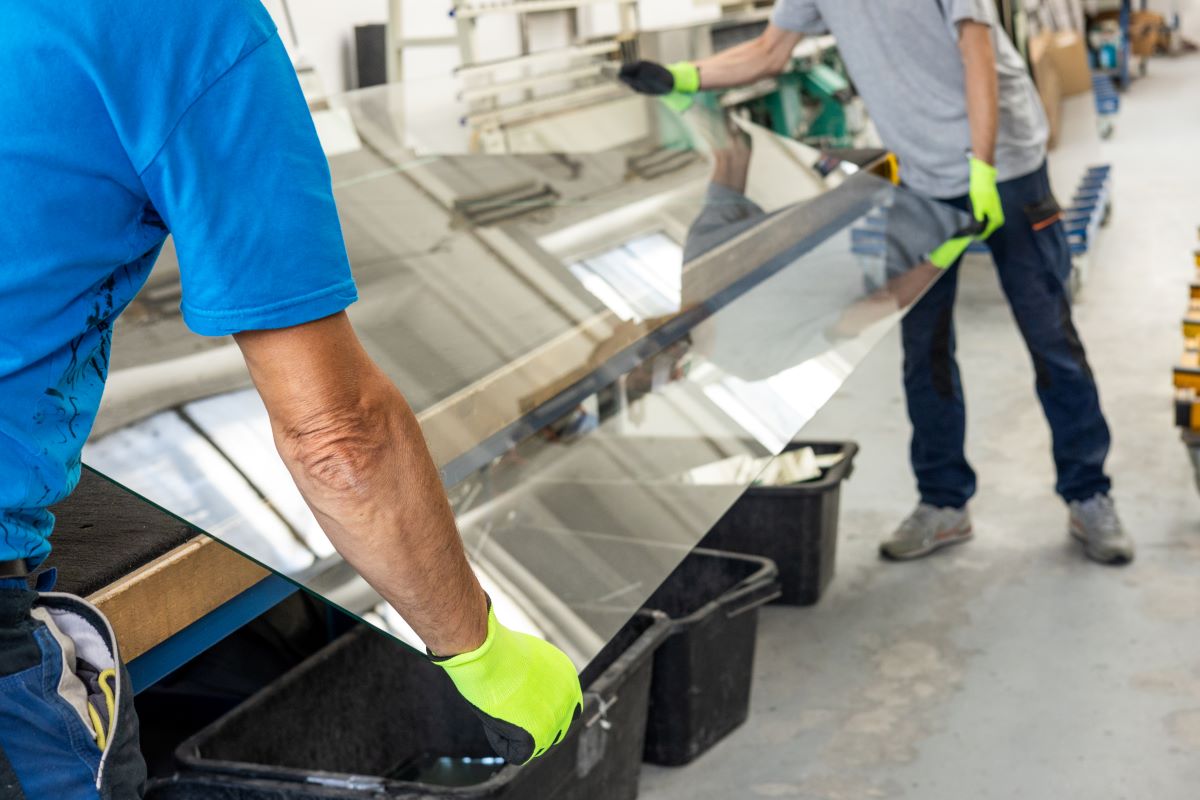
The Occupational Safety and Health Administration’s Personal Protective Equipment rules set a clear floor: employers must assess hazards, select PPE that fits, train workers on its use and maintain it in safe condition. Even with a common baseline, different facilities interpret and apply the rules unevenly. The result is a gap between theory and practice—and injuries that could have been prevented.
Where gaps emerge
Paper assessments, real hazards. OSHA requires a documented hazard assessment to determine what PPE is necessary based on tasks and exposures and to ensure selected PPE fits affected employees. Too often, assessments exist as static binders rather than living documents that track process changes (new glass sizes, automated cutters, different sealants.)
"We’ve always done it this way.” Even when PPE is present, habits die hard. OSHA injury reports in glass handling repeatedly show lacerations during lifting, staging and moving panes; tasks that look routine until something breaks or shifts. These events often involve PPE being present but not optimized (e.g., wrong glove for the grip required, no forearm protection), or training not refreshed to reflect actual handling dynamics.
Cost-sharing confusion. OSHA’s interpretations clarify that employers must ensure protective equipment is provided and used; payment policies can vary by item type (e.g., everyday safety-toe footwear). Misunderstandings here can delay procurement.
Practical Fixes That Stick
A hazard assessment should be treated as a living process, not a one-time exercise. Using OSHA’s 1910.132 framework, companies should re-run task-based assessments whenever glass sizes, lifting equipment, or line speeds change. Building “trigger points” into the safety program, such as a new supplier, a new jig, or a summer heat plan, ensures that reassessment happens automatically whenever working conditions shift.
Training should close the loop by focusing on the “why.” Instead of relying solely on annual videos, supervisors should conduct quick, five-minute, line-side refreshers that analyze near-misses: what broke, what edges were exposed, how grip failed or where sleeves rode up.
Regular audits should focus on real work, not just documentation. Quarterly “PPE reality checks” conducted during active shifts can help identify gaps between policy and practice. Are jackets zipped? Are sleeves the right length for the task? Comparing what’s observed on the floor with what’s written in the assessment allows immediate correction.
PPE should also be specified by task, not just by rating. In glass handling, this means using cut-resistant gloves and sleeves with proven grip for vertical carries, for example. Comfort must also be validated; if sleeves itch or trap heat, workers are less likely to wear them properly.
Finally, it’s essential to clarify who pays for what before rollout. Employers should define their responsibilities versus those of employees for borderline items, such as general-use safety-toe boots, in accordance with OSHA interpretations.