
k-Space Introduces Machine Learning Upgrade for Inline Glass Defect Detection
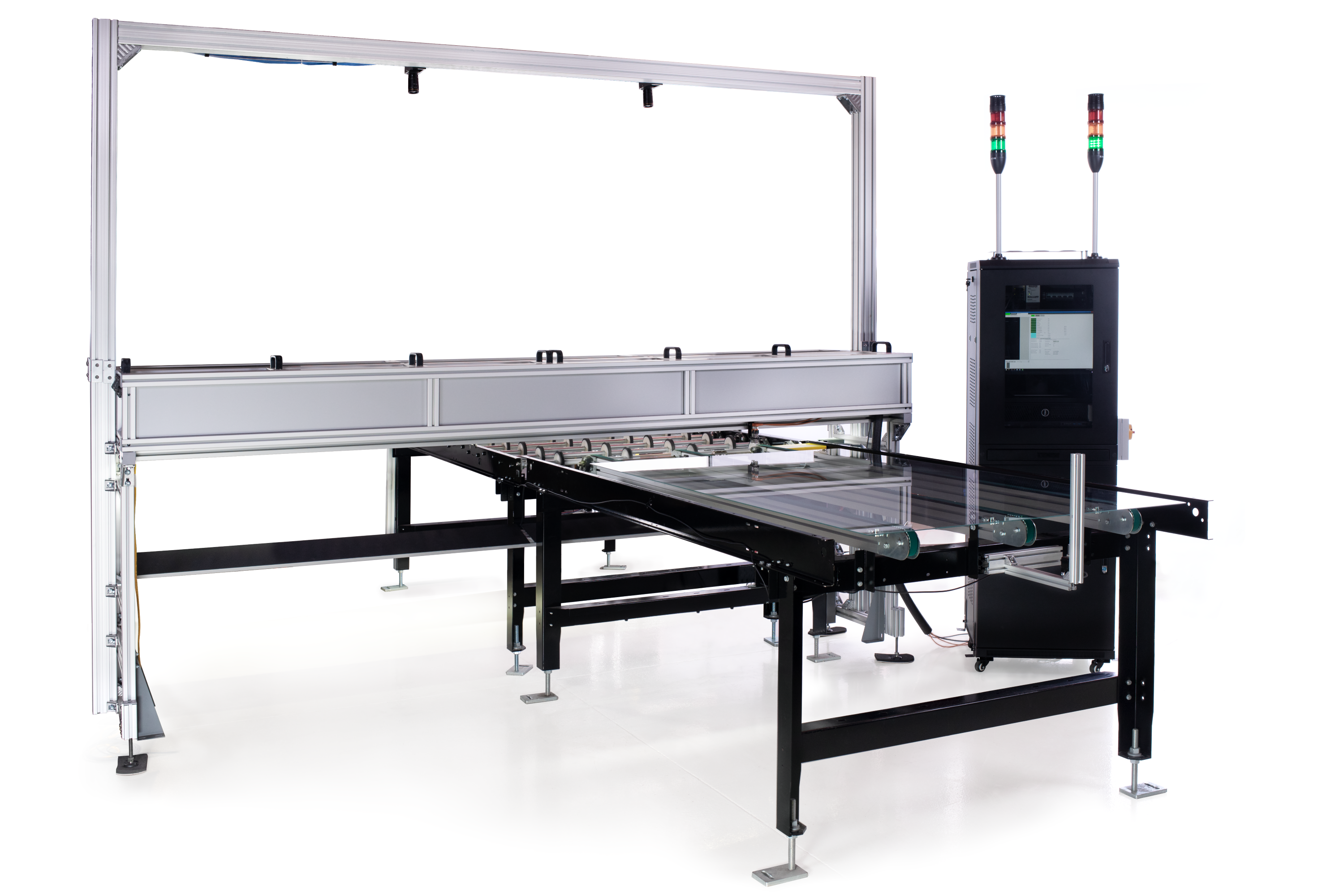
k-Space Associates, Inc., a provider of advanced metrology and inspection solutions, announced new machine learning capabilities for its kSA Glass Breakage & Defect Detection tool. The enhancement adds intelligent defect classification to the system’s proven inline inspection platform, helping manufacturers identify subtle defects and emerging process issues that conventional rule-based vision systems can struggle to detect.
“Most manufacturers have already solved the easy inspection problems,” says Michael De Zeuw, senior metrology engineer at k-Space. “The remaining challenges are often subtle defects and process variations that don’t fit neatly into predefined categories. Machine learning gives manufacturers another layer of insight by recognizing patterns that may indicate quality issues before they become larger production problems.”
The kSA Glass Breakage & Defect Detection tool combines high-resolution linescan imaging, controlled illumination, and non-contact inspection to image every panel moving through production. The new machine learning layer analyzes inspection data to classify defects, identify emerging patterns, and reduce nuisance alarms caused by benign visual artifacts such as glare, reflections, or transient contamination.
Key Benefits
- Improved defect detection — Identifies scratches, haze, coating irregularities, edge defects, and other subtle anomalies that may fall below traditional contrast thresholds.
- Earlier process awareness — Detects recurring patterns and defect clusters that can signal upstream process drift before significant scrap is generated.
- Reduced false positives — Distinguishes true defects from reflections, dust events, and other visual artifacts that commonly trigger unnecessary alarms.
- Consistent inspection standards — Applies the same learned criteria across shifts, operators, and production lines to improve inspection consistency.
According to internal testing, manufacturers may reduce false-positive inspections by as much as 30% while identifying defect trends earlier in the production process. Earlier intervention can help reduce scrap, minimize rework, and protect yield on high-value coated glass products. Actual performance varies by application, product type, and inspection requirements.
Each inspection event includes a highlighted detection region, defect classification, and confidence score, enabling engineers to review results, adjust sensitivity thresholds, and continuously improve inspection performance. As additional production data is collected, the system can be further refined to address new defect types and evolving process conditions.
“Manufacturers don’t need more inspection data, they need actionable information,” says Tony Daniels, senior software engineer at k-Space. “By combining machine learning with proven inline inspection technology, we’re helping customers identify potential quality issues sooner and make faster process decisions that protect both yield and product quality.”
The machine learning enhancement has shown particular effectiveness in applications involving coated glass, darker substrates, edge inspection, and other visually complex environments where conventional inspection methods often face limitations.
The new machine learning functionality is available as part of the kSA Glass Breakage & Defect Detection platform.