
An Ode to the Small-Town Factory
How facilities in rural areas help create community
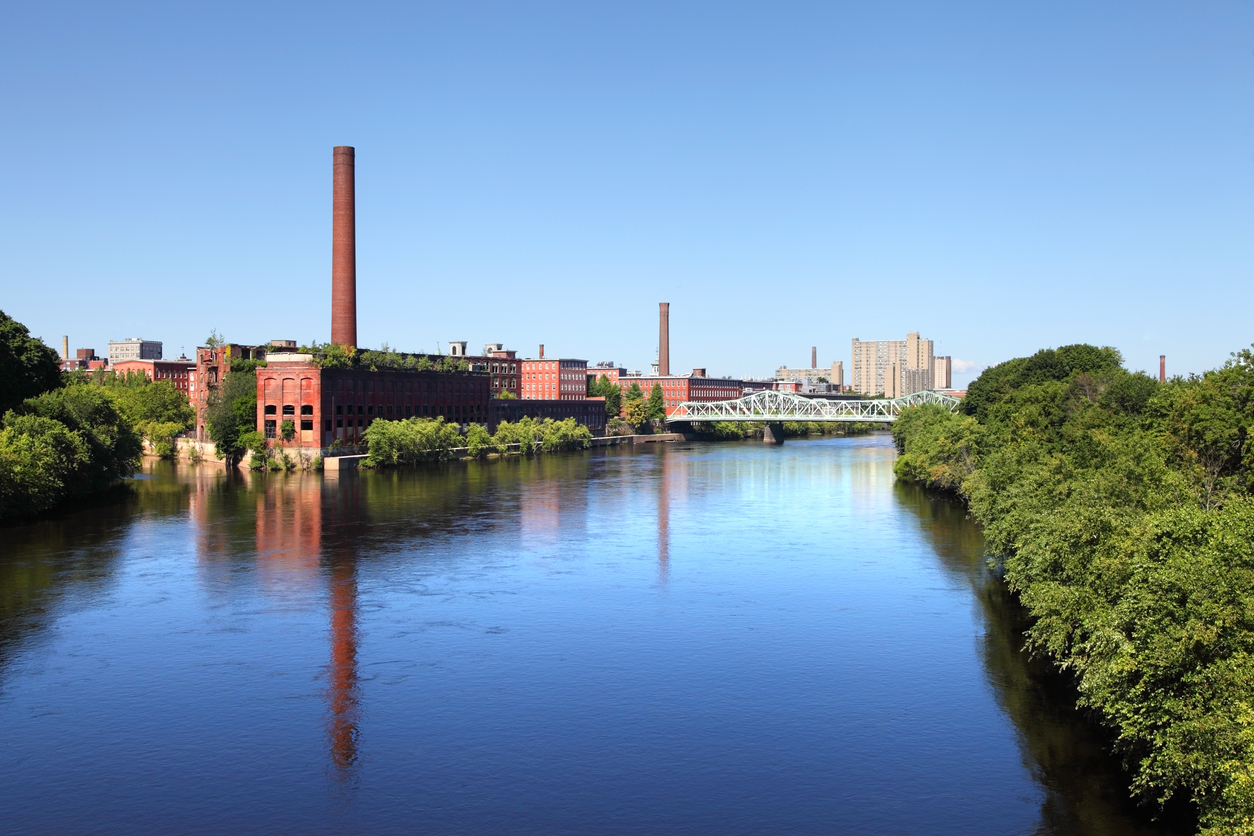
In a world that feels increasingly driven by scale, speed and distance, there’s something profoundly grounding about the small-town factory. Its influence runs deep; quietly shaping livelihoods, identities and the rhythm of entire communities.
More than 70% of land is considered rural in the United States. It’s home to 46 million people, 14% of the U.S. population. According to Rural America at a Glance, a report published by the U.S. Department of Agriculture, total employment has grown in recent years with more job opportunities, including in advanced manufacturing.
In these small towns, factories are more than just places of employment. They are community cornerstones. They create stable jobs that allow people to stay close to family, buy homes and invest in the community that raised them. They support local schools, youth sports and volunteer organizations. When a local fundraiser needs support or a family faces hardship, it’s often the people from these workplaces who step forward first. The impact stretches far beyond the factory walls and into nearly every corner of daily life.
How factories create community connection
I’ve spent the last 12 years working in a manufacturing facility in the same town where I was born and raised. For me, work has never been separated from home. I work alongside people I went to school with, my parents’ friends and neighbors whose stories are woven into my own. That kind of connection changes the meaning of work. You’re not just contributing to a company’s success; you’re contributing to the well-being of people you know personally.
For many, work can feel remote and disconnected, but small-town manufacturing remains deeply human. It reminds us that industry isn’t just about output, it’s about people showing up for the work and showing up one another, day after day. It’s about conversations during lunch breaks that continue at the grocery store or the bleachers on Friday night. It’s about knowing that the work you do helps someone you care about make a living. There’s comfort in that familiarity, but also accountability.
These factories preserve something that feels increasingly rare, a sense of shared purpose. In many ways, they become part of a town’s identity and a cornerstone to that history. Generations of families often pass through the same buildings, carrying with them traditions, work ethics and stories that connect the past to the present. The factory becomes woven into the culture of the town itself, representing resilience and continuity through economic shifts and changing times.
Working where I grew up has given me a perspective that I wouldn’t trade. I’ve watched careers grow alongside families. I’ve seen firsthand how a factory can anchor a community through change and uncertainty. I’ve seen coworkers rally around one another during difficult seasons and celebrate milestones together like extended family. The small-town factory may not draw attention, but its value is undeniable. It builds more than products. It builds stability, pride and a sense of belonging, and it remains the quiet heartbeat that keeps everything else moving.