
The new Princeton University Art Museum features expansive galleries and gathering spaces that serve as a community hub for the arts and humanities. Replacing the former art museum, fine arts library and Department of Arts and Archaeology, the 146,000-square-foot museum includes nine connected pavilions at the heart of the campus, expanding the University’s space for the exhibition, conservation, study and interpretation of art.
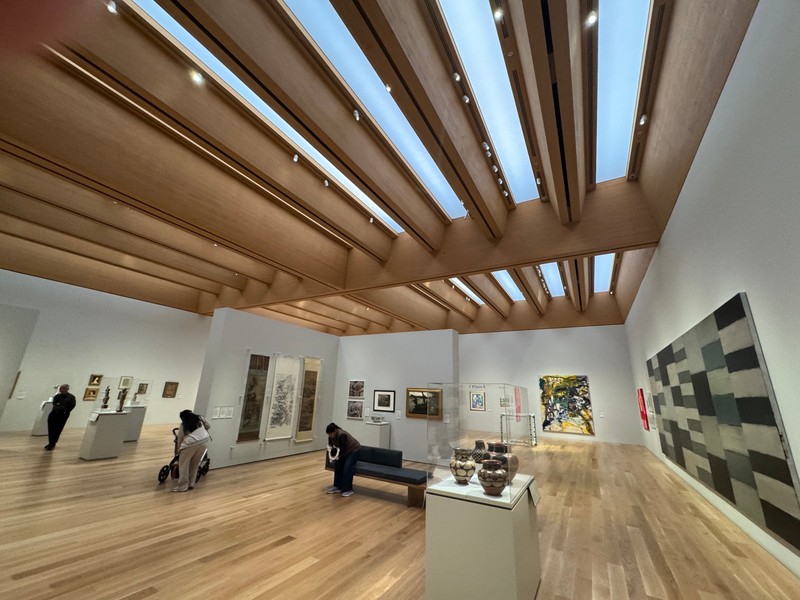
One of the project’s most critical design concerns included illuminating the facility’s four corner pavilions without damaging the delicate, high-value objects on display. Featured artworks needed to be illuminated in a manner that honored their historic and artistic value, while also enhancing their details for the human eye to study without strain or discomfort. This had to be achieved while minimizing reliance on electric lighting, which can create uneven or less natural illumination for artwork, and with controlled daylight diffusion to help minimize ultraviolet and infrared wavelengths that can contribute to cumulative artwork deterioration.
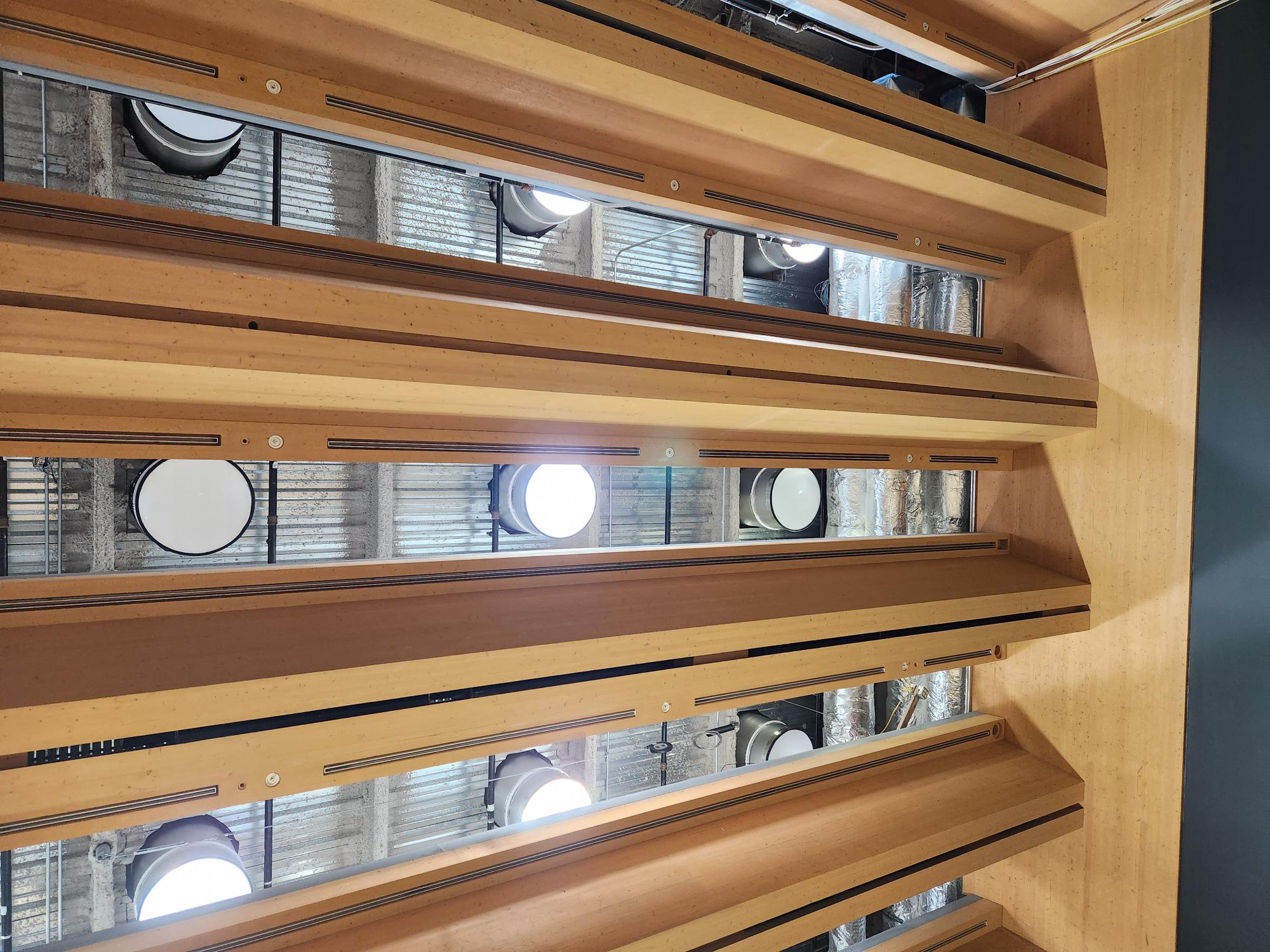
To address these lighting concerns, the Solatube project team integrated advanced daylighting technology throughout four of the museum’s large pavilions. The company installed 144 SkyVault M74DS Solatube Tubular Daylighting Devices (TDDs) with collectors, thermal insulation panels and dimmers above a translucent ceiling to harness and deliver an abundance of high-quality, natural daylight throughout the galleries.