
What Impact Will Tariffs Have on U.S. and Canadian Fenestration?
Recent action by the federal administration has implemented a staggered approach to tariffs on all incoming imports into the United States. This change has created uncertainty and has forced domestic businesses to be nimbler in how they approach forecasting and planning.
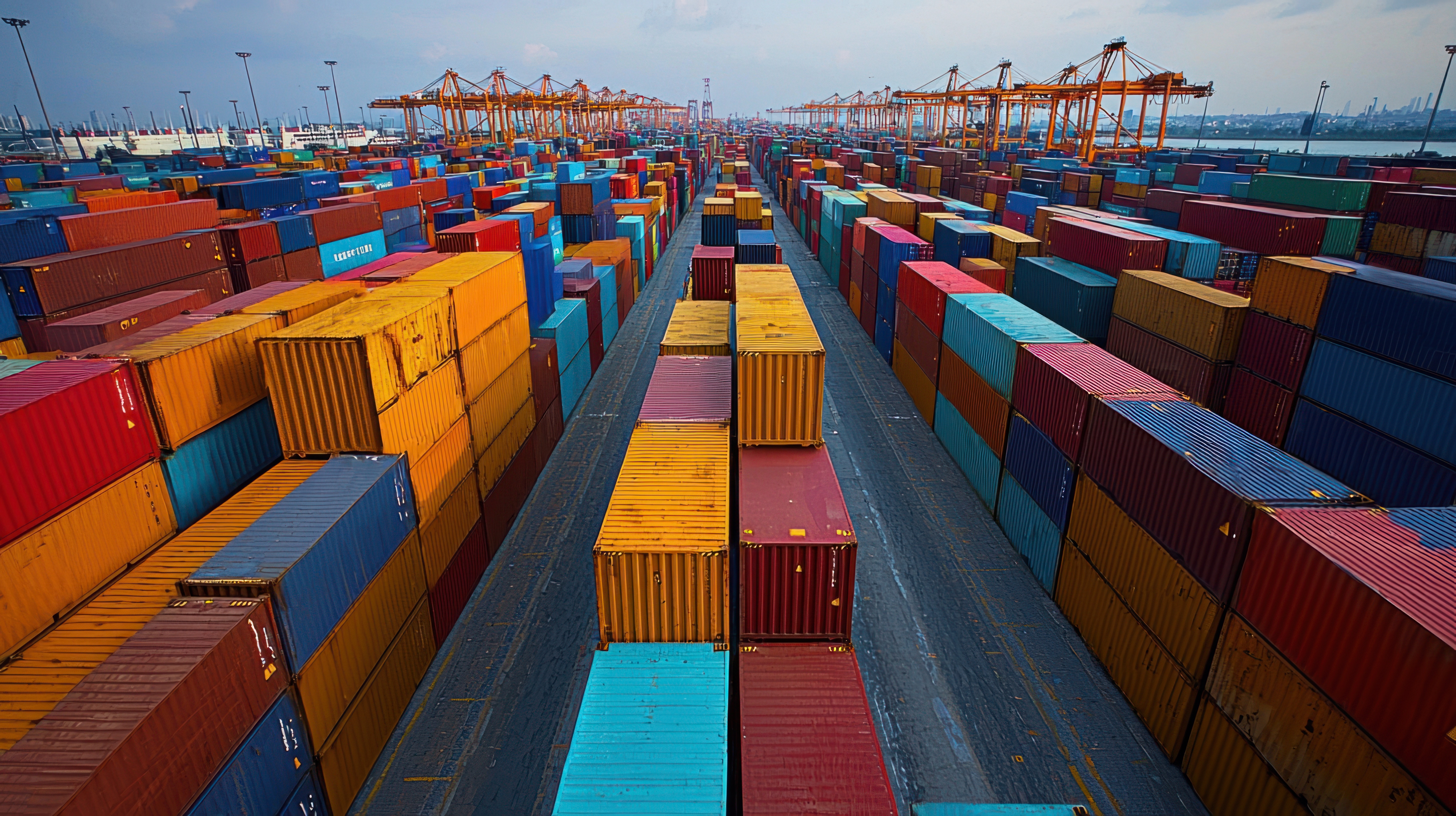
Recent action by the federal administration has implemented a staggered approach to tariffs on all incoming imports into the United States. This change has created uncertainty and has forced domestic businesses to be nimbler in how they approach forecasting and planning.
The main feedback I hear from our U.S. customers is that most businesses are taking a wait-and-see approach. Some businesses I have talked with support the long-term goals these tariffs represent of onshoring manufacturing to reduce U.S. dependency on foreign sources of materials. But most are concerned about short-term higher costs and are having trouble forecasting the remainder of their year. Their hope is that the economy will recover, and that backlogs will begin to refill around the middle of Q3 and as we head into Q4.
However, economists are not as optimistic. As of April, the International Monetary Fund lowered its U.S. economic growth forecast for 2025 to 1.8%, down from earlier estimates, citing policy uncertainty and trade tensions. Economists have raised the alarm that the U.S. will experience a recession—where the economy shrinks and unemployment rises. Goldman Sachs put the odds of a recession at 45% and JPMorgan put it at 60%.
The tariff impact on pricing is also creating uncertainty for the construction market due to the increase in the cost of essential building materials. Associated General Contractors of America cautioned that materials costs, particularly for steel and aluminum products, are likely to continue increasing due to a tariff on those products. AGC noted those increases will make the cost of many construction projects more expensive, potentially prompting some activity to be delayed or cancelled.
AGC reported that the cost of aluminum mill shapes climbed 9.7% during 2024, and jumped 5.1% in March 2025. The producer price index for all materials and certain services used in new construction rose 0.4% in March, following increases of 0.6% in February and 0.8% in January. New tariffs have been imposed since these March figures were released.
Industry experts estimate that the tariffs could raise overall building costs by up to 10%, particularly affecting large-scale projects such as high-rise buildings and government infrastructure.
Additionally, my Canadian customers have observed a slowdown. They tell me that aluminum and glass tariffs have negatively affected their ability to sell into the U.S. Because Canada lacks domestic float glass production, they need to purchase their supplies from the U.S. The high taxes coupled with a historically low exchange rate are likely to have a negative impact on products’ pricing in the Canadian economy.
Because the situation is in flux, there hopefully will be some positive movement toward a mutually beneficial trade agreement.
U.S. tariff policies have driven up construction material costs and added economic uncertainty across the building industry. While the outlook remains unsettled, there is hope for progress toward a trade agreement that could help stabilize the market and ease material prices, restore builder confidence and reignite momentum across the building and construction sector.