Borrowing a Page from Building Safety for Fenestration
Introducing a preventive framework for high-performance windows
Occupant safety and well-being are often discussed in terms of emergency response, such as fire ratings or fall protection. Yet, many health risks in buildings stem not only from sudden failures, but from age or disinvestment. As of 2021, lead-based paint (LBP) was found in approximately 29% of U.S. homes, and this issue is amplified in older buildings.
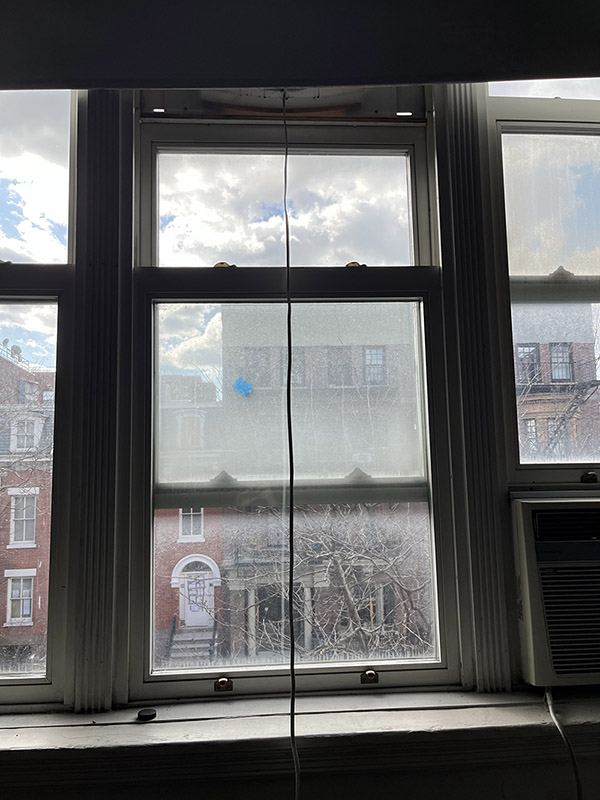
Windows sit at the intersection of maintenance and occupant safety. They are a critical component of the building envelope, but they often fall outside time-based inspection and enforcement frameworks governing other safety-critical building systems.
Windows and lead exposure
Although peeling paint, leaks or drafts may be perceived as nuisances, deteriorating windows can pose more serious risk when LBP is present. Lead was widely used in paint prior to 1978, and buildings constructed before 1960 face the highest risk. When windows with LBP are opened and closed, friction generates lead-contaminated dust that accumulates on sills and floors.
Multiple studies show window replacement significantly reduces lead exposure. Research links the replacement of deteriorated windows with LBP to lower lead dust and associated declines in children’s blood lead levels. National data identified window replacement as the leading driver behind reductions in childhood lead poisoning during the 1990s.
Health, energy and economic co-benefits
Replacing aged windows delivers benefits beyond lead reduction. Researchers estimate replacing windows in pre-1960 U.S. building stock would generate tens of billions of dollars in net societal benefit when accounting for avoided medical costs, improved educational outcomes and energy savings. While today’s window technologies differ from those in earlier studies, the fundamental principle remains: permanent building upgrades provide compounding returns over time.
In cities like New York, where buildings are decades old, these co-benefits are particularly relevant. Programs, such as LeadFreeNYC already support partial abatement through replacement of windows, doors and other components, especially where occupants include children or pregnant women. Aligning these health-driven programs with current energy codes could reduce utility burdens, improve indoor comfort, and support energy efficiency, all while improving safety.
Learning from facade safety policy
New York City’s Facade Inspection & Safety Program (FISP) offers a compelling model. Key elements of FISP ensuring ongoing quality and maintenance include:
- Time-sensitivity
- “Critical examination” by a qualified inspector
- Detailed documentation of condition
- Consideration of interaction with the surrounding environment (i.e. water infiltration)
- Advance notice for upcoming required repairs
- Documentable violations
- Fines for noncompliance
Windows, despite posing clear risks to occupant health when neglected, face no comparable inspection or maintenance requirements. Introducing a similar preventive framework focused on performance, material deterioration and occupant exposure risks, could dramatically improve quality of life for occupants in aging buildings and support future-proofing of new construction.
For the glass industry, this represents an opportunity. By reframing windows as essential infrastructure within the building envelope for occupant safety and well-being — not just energy efficiency or aesthetics — we drive policies that prioritize preventative maintenance and permanent solutions. In doing so, we protect people, strengthen building performance and reinforce the critical role high-quality glazing systems play in a healthy built environment.