Façade market transformation
Creating an above code program for nonresidential facades
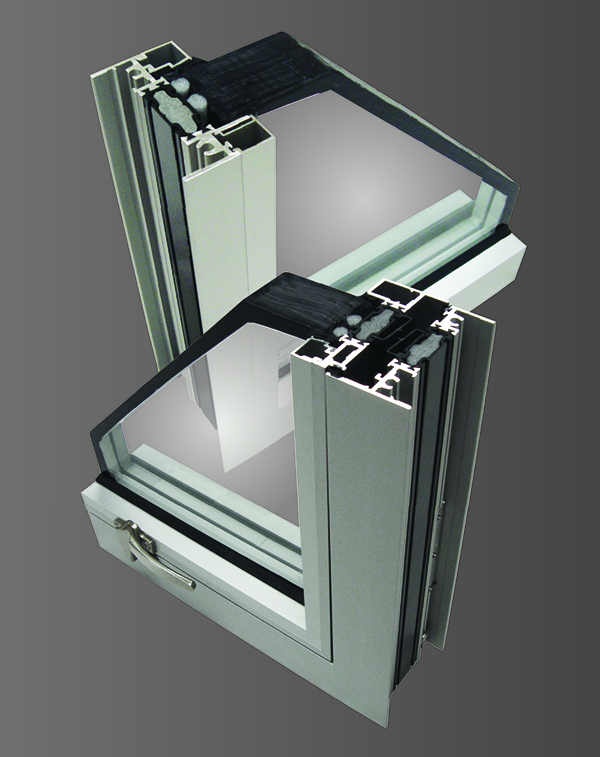
A missing piece for driving high performance nonresidential fenestration adoption is the absence of an above-code program. Such programs exist for residential windows (Energy Star®) and for full buildings (LEED, WELL, Energy Star for buildings). The Energy Star program for residential windows, in conjunction with the 2009 federal tax credits, materially impacted installed residential fenestration performance, with over 80% market penetration of Energy Star windows.
A similar dynamic is needed for commercial fenestration because the thermal performance of installed commercial fenestration lags residential. This is partly because of the higher structural performance often needed in commercial applications, which can impact the ease of achieving thermal performance targets.
But mainly, it is because codes do not force higher performance and above-code building level programs have not significantly influenced high-performance fenestration market penetration. There are commercially available, high thermally performing, architectural-grade aluminum windows that exceed R5 performance—they are just not often used.
There is an argument to make for a broad façade-focused above-code program, rather than a fenestration only program.
Why fenestration focus can miss full façade performance
The breadth of different fenestration types—fixed and operable windows, window wall, storefront, curtain wall—and project-specific air-water-structural (AWS) requirements, impacts the ability to deliver a given thermal performance. It also adds complexity in setting stringent fenestration performance targets without leading to unintended consequences.
Essentially, using high-performance windows, while ignoring air-leakage and thermal bridging at system interfaces and in opaque assemblies, does not deliver high energy performance.
Creating an above-code framework for the facade
The Façade Tectonics Institute is developing an above-code façade program framework, funded by the U.S. Department of Energy. Stakeholder guidance received so far suggests the following structure for the program:
- The program’s scope should be wider than energy efficiency alone. Requirements for occupant comfort, daylight admission and views, thermal resilience, lifecycle carbon and service life are important.
They also reduce the risk of shrinking the window area, and sacrificing occupants’ access to daylight and views, for increased energy efficiency.
- Compliance should be simple, low-cost and widely accessible by referencing existing standards and methods, where possible. A prescriptive compliance pathway is important for wider access, although it may be potentially more design-limiting and challenging to develop.
- Thermal bridge mitigation and air-leakage minimization must be a priority.
- As-built performance must be verified. There is also a desire for ongoing verification through the life of the building to maintain certification.
- A minimum performance for all categories is desired, with a tiered, good-better-best, rating system, that correlates to increasing asset value for building owners.
Some challenges have been identified, including:
- How to prescriptively optimize solar heat gain (SHG). Continued reduction of SHG will not deliver optimum performance, especially in northern and mixed climate zones. Building and orientation specificity, dynamic solutions and/or tuned exterior shading will be necessary.
- How to specify façade’s service life is tricky, but should consider maintenance and retrofit planning, fabricator and installation warranties, and factors that affect assembly and material service life.
- Ensuring tools are accessible to support design and verification across the full scope.
Framework recommendations will be published this summer. Stay tuned.