2026 Top 50 Glaziers
Higher sales, tighter margins and a volatile horizon: the state of the Top 50 Glaziers
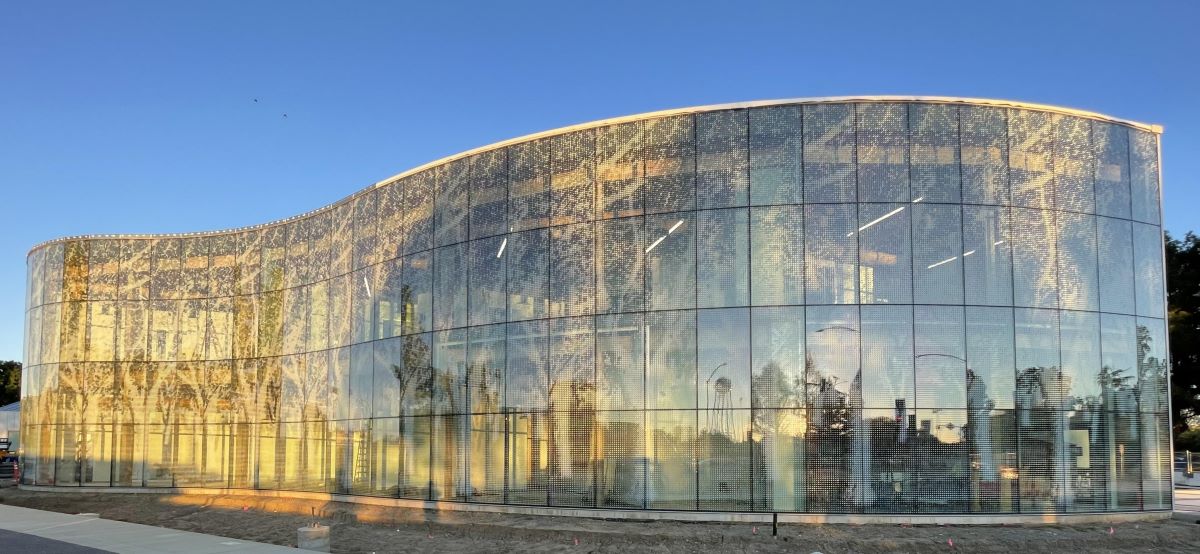
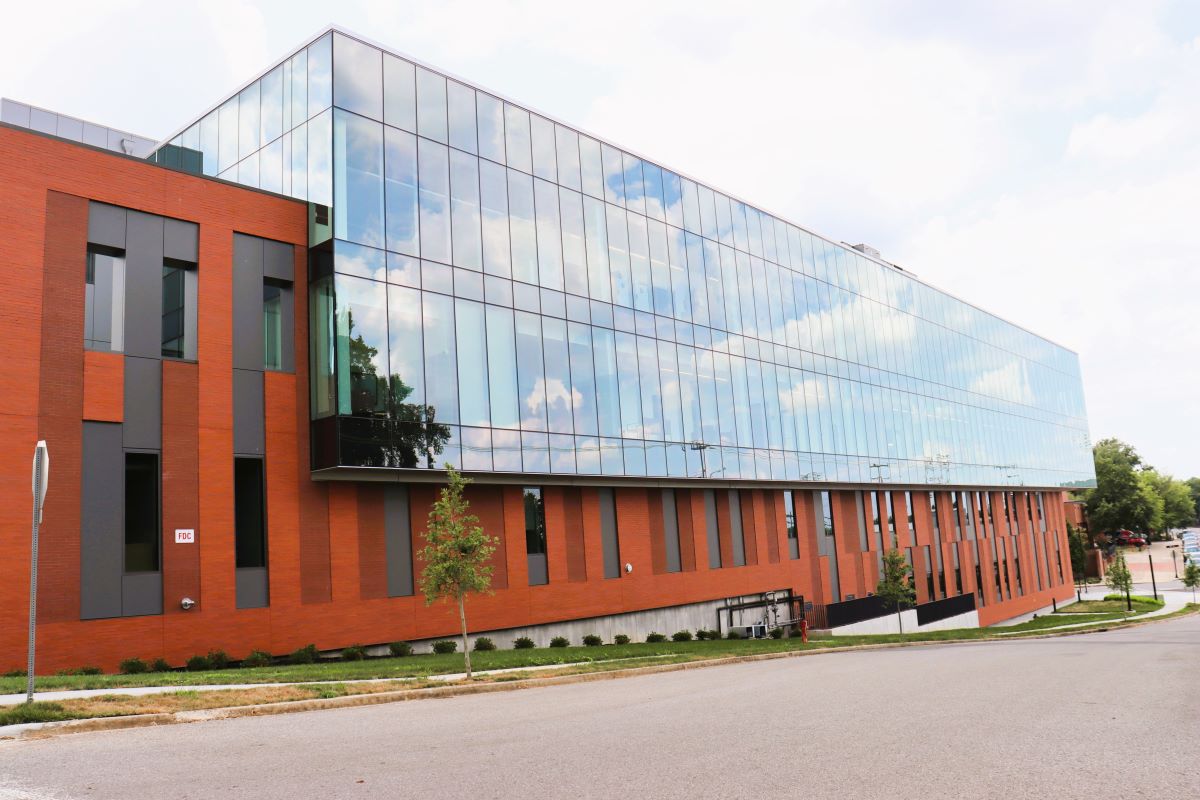
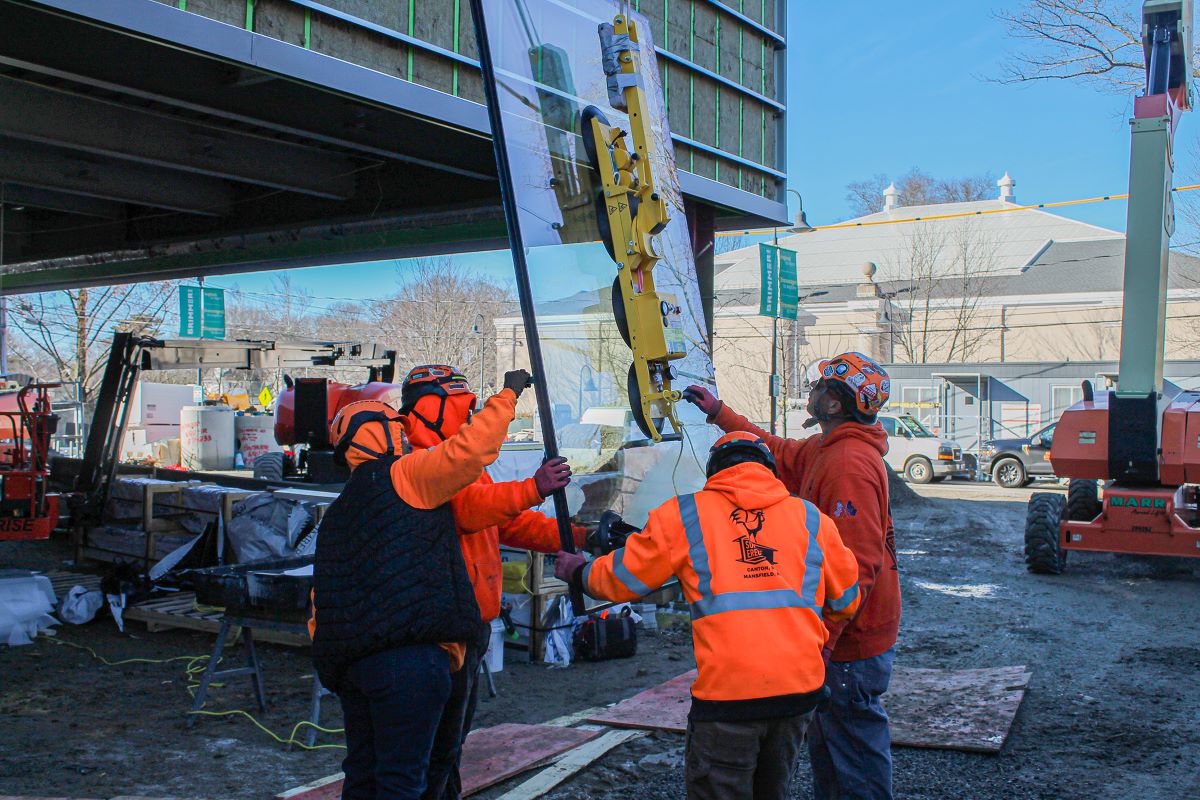
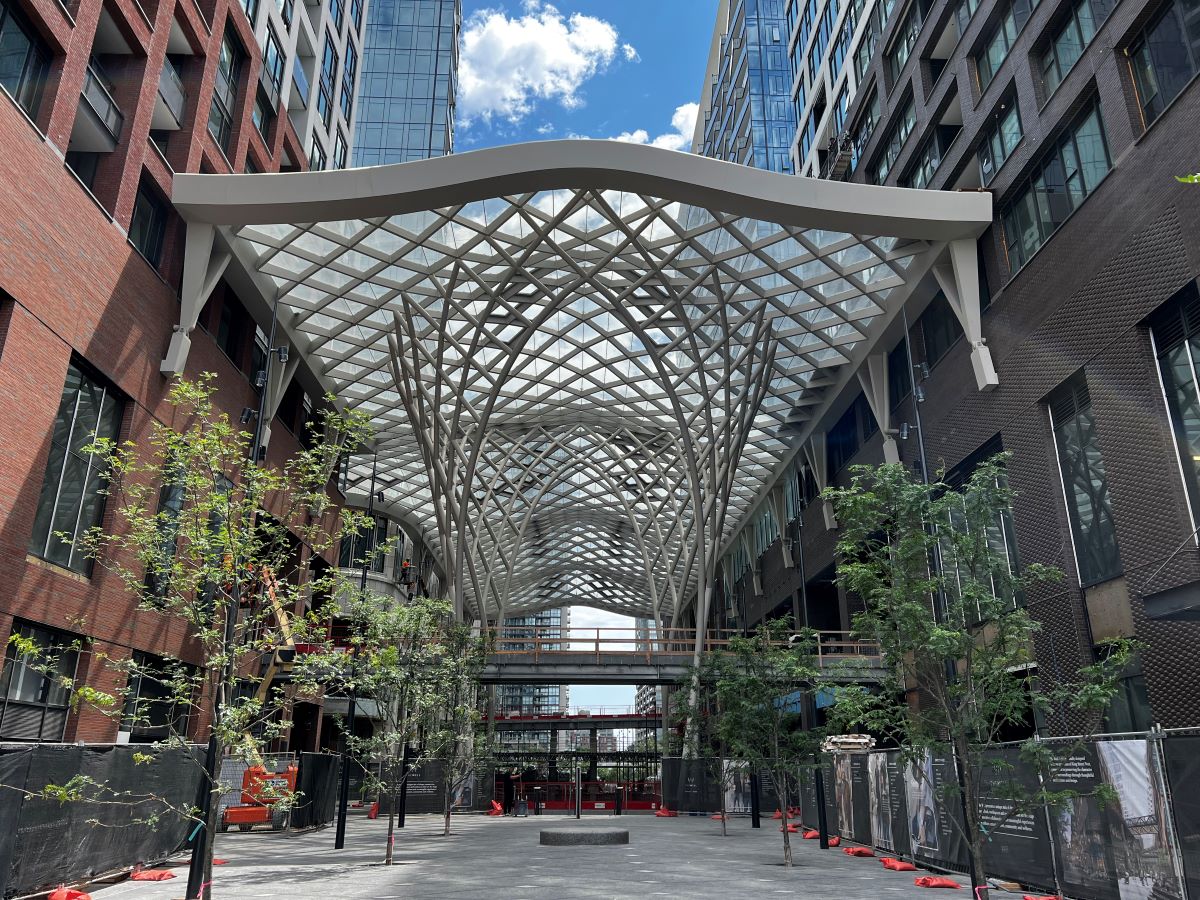
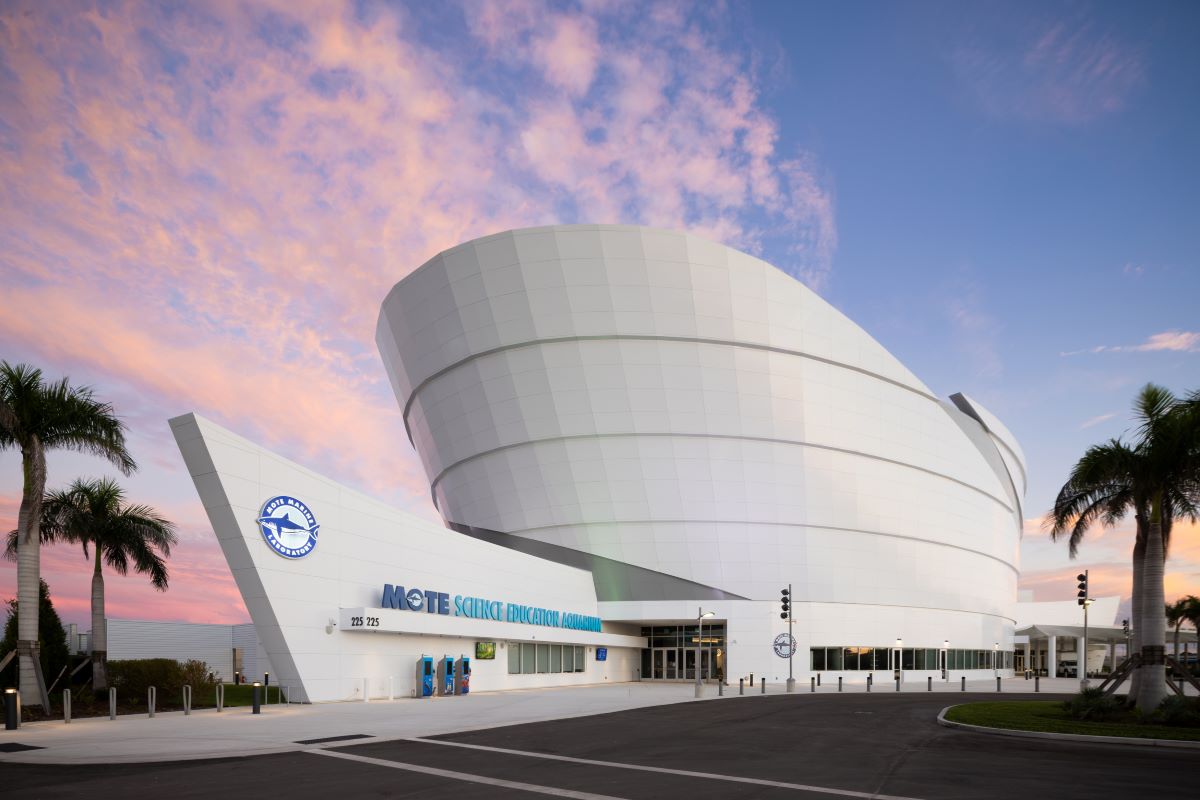
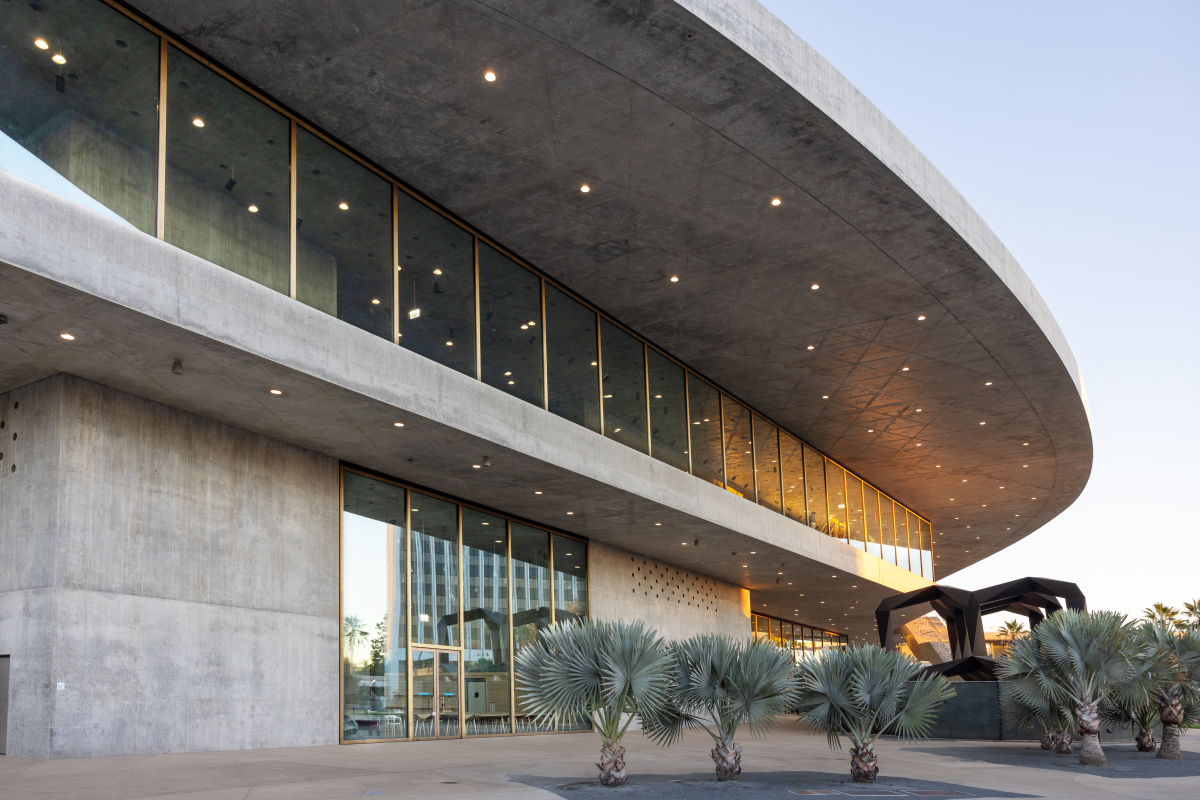
Photos on this page courtesy of 2026 Top 50 Glazier survey respondents, including: U.S. Glass, Alexander, Sunrise Erectors, Bass, Key Glass and Seele
While the past few years have seen significant instability, at the time of this writing, the U.S. is facing a wave of volatility resulting from the U.S. conflict in Iran. Cascading effects from the conflict include increased material costs and uncertainty about how the geopolitical forces will continue to affect the broader economy, and the glass industry, in the coming year.
According to Associated Builders and Contractors analysis of data from the Bureau of Labor Statistics, non-residential construction input prices increased 2.3% in March, and 4.8% year over year. ABC Chief Economist Anirban Basu says the uptick represents the largest annual increase since January 2023. “This monthly increase is due to higher oil prices, a direct result of conflict in Iran, and it remains to be seen how that seismic geopolitical event will affect other input prices in the months to come.”
The Architectural Billings Index, compiled by the American Institute of Architects, captures the complexity of the construction landscape. While construction added jobs during March, inflation rose 3.3% year over year. Energy prices surged almost 11 percentage points.
Glazier responses to this year’s Top 50 Glazier survey reflect the uncertainty and volatility of the market, especially with regard to broader economic trends. Many are concerned about cost instability and supply chain snarls.
“Key challenges include ongoing material price volatility—especially aluminum and glass—extended lead times, and a competitive labor market for skilled glazing professionals. Additionally, economic uncertainty and potential project delays tied to financing conditions may impact timing of new starts,” says Ricky Urbach, chief operating officer, A-1 Glass and Aluminum.
Despite these ongoing challenges, leading glazing firms have found opportunities this past year in institutional building, especially health care projects, as continued population migration to the Southeast has required major infrastructure buildup. “Government funding at the federal, state and local levels is supporting a wide range of public sector projects, including infrastructure, institutional buildings and modernization efforts,” says a representative from Chesapeake Glazing LLC.
Glaziers continue to use, and encounter, new technology, including artificial intelligence and robotic tool stations.
The labor shortage continues to hurt company growth; even as projects become more complex, glazing firms struggle to recruit enough skilled labor.
By the Numbers
Competition, bids and margins
While bid levels and competition increased year over year, profit margins slowed slightly. Across all three measures, the “about the same” middle shrank as more firms reported change.
Competition for projects
Bid levels
Profit margins
Percentages are based on responding glaziers and may not total 100% due to rounding.
Sales
Despite higher year-over-year total sales among Top 50 Glaziers, responding companies also reported slower sales growth, higher bid levels and more competition in 2025, along with slowing profit margins compared to the previous year. When asked about the year ahead, some companies expressed frustration with fewer projects and increased competition.
Glaziers remain uncertain about impact of Middle East War
Inflation, fears of economic slowdown and tariffs topped the list of challenges contractors experienced in 2025. Looking to the coming year, companies expressed worries about new and old challenges, as well as concerns about the domestic market and geopolitical conflict.
“Labor shortages, supply chain variability and rising material costs remain ongoing challenges. To address these, we continue to invest in workforce development, strengthen strategic partnerships with vendors and adopt innovative construction technologies,” says Gabriela Padilla, business development manager, Eastern Glass and Aluminum Inc.
“The volatility we are currently seeing in the geopolitical situations around the world, and the negative effect this is having and [will] likely continue to have on supply chain partners and inflation, is something that we are very cognizant of,” says Gerard Montocchio, senior vice president, human resources and leadership development, Flynn Group of Companies.
“We are trying to be optimistic; however, pressure on our supply chain from tariffs and conflict in the Middle East make the forecast uncertain,” says Jeff Lorentz, president, Aurora Glazing Solutions Ltd.
Infrastructure investment provides future opportunity
Like this year’s Top Glass Fabricators, many responding glaziers also remained optimistic about a return to growth in the next couple of years. “We anticipate steady growth over the next two years, driven by strong demand for high-performance glazing and metal panel solutions in data centers, health care facilities and large-scale commercial projects,” says Padilla.
“A-1 Glass and Aluminum anticipates steady growth through 2026–2027, driven by continued demand for commercial construction across the Southeast, particularly in health care, education, mixed-use and manufacturing sectors,” says Urbach.
Labor
Hiring and training skilled labor remain top challenges for glaziers. Survey responses suggest very little change in the availability of labor; 68% of respondents say there has been no change in the hiring environment year over year. Recruitment and training remain the biggest hurdles for companies.
Glaziers prefer employee referrals for field positions
Many companies prefer employee referrals for hiring glaziers, with some relying on personal relationships and reputation. “We use word of mouth,” says one contracting firm. “Most of our employees have been with us for 10-plus years, which is a driving factor for a lot of people looking for a permanent position. Word travels around in the glazing industry.”
Glaziers that use employee referrals say that it tends to attract more experienced workers than other recruiting methods. “Employee referrals have produced the strongest candidates, particularly for field installation roles, as they tend to bring individuals with glazing or construction experience who align well with company culture,” says A-1 Glass and Aluminum’s Urbach.
Many companies use a variety of recruitment tactics. “We’ve also had success with our leadership team handing out cards to people in other trades who’ve impressed us — golf shop staff, landscape crews, servers and others who show strong work ethics and customer skills,” says another glazing firm. “We haven’t found one method that clearly outperforms the others. Recruiting, especially for experienced industry trade glaziers, continues to be one of the toughest areas to source. Our warehouse team still relies heavily on referrals and job boards to keep positions filled.”
Respondents also shared that they prefer different recruiting methods for office or project management staff, and many companies report using LinkedIn job postings, targeted digital tools and recruiting firms for these roles.
This year, glaziers were also asked if they use second-chance hiring, or hiring formerly incarcerated employees. Only a handful responded that they were interested in hiring, or currently employing, from this labor pool. Responding companies that employ second-chance hiring access the labor pool through trade schools and technical colleges, job readiness programs, and addiction-recovery programs.
“Through this partnership, we are building a pathway to integrate second-chance hiring into our workforce, with the goal of connecting motivated individuals to apprenticeship opportunities within our glazing program,” says one company.
“We evaluate candidates based on potential, not past circumstances,” comments another company.
Companies emphasize culture during onboarding
Responding glaziers also shared a variety of in-house training techniques and styles. While each company’s process varies, a few throughlines appeared in glazier responses.
Companies provide mentorship and supervision during a probationary period. Many companies describe an initial period where new employees are observed and evaluated—with supervisors checking in regularly and new hires gradually taking on more independence as they gain more skills.
Trainers employ supplemental digital material. Respondents report using company handbooks, online onboarding portals, YouTube channels, manufacturer webinars and platforms like MyGlassClass.com to support hands-on training.
Culture and belonging matter. Several responding companies emphasize the importance of making new hires feel welcomed, introducing them to the team, having leadership meet them and connecting them to company culture early on.
Responses show there is no “one size fits all” approach to training, and that programs were highly specific to company needs and values. Physical Security starts onboarding by introducing new hires to staff and company culture. “New team members get introduced to the people, processes and culture that make PS run—from office tours and one-on-ones with their direct manager to team lunches and visits to our shops and offices across the Southeast. We want every new hire to understand not just their role, but the people behind the name,” says a company rep.
Trainers at Specified Systems use a range of digital materials to keep employees current on company processes and new products. “We created our own SSI University, which is a set of PowerPoints capturing our internal branding and processes,” says Emily Yukish, president and CEO of Specified Systems Inc. “We refer new hires to MyGlassClass.com for basics. We will send out prequalified webinars from our suppliers to ensure our team is staying up to date on products.”
Chesapeake Glazing staff work to create clarity for each role at the company. “Training begins with a documented 90-day onboarding plan that applies to every position, both inside, at the office, and outside, in the shop and on-site,” says a representative of the company. “Each role has standard operating procedures that provide clarity and consistency, regardless of an employee’s experience level.”
Capacity
Glaziers continued to invest in their business in 2025. Trucks remain the top capital acquisition for companies, followed by software. Investment in fabrication equipment and facility expansion remained steady last year. A slight majority of responding companies also report fabricating curtain wall in-house this year.
Glazing firms begin to adopt AI for office tasks
Surveys also asked companies to share how or if they were using artificial intelligence, or AI. About a quarter of respondents said they were in the early stages of using it, with over a third saying they actively used it and only 10% reporting they had implemented it company-wide.
Most companies say they use AI during the preconstruction process, specifically for estimating due to digital tool’s speed and accuracy in document review. Common uses of AI tools include contract review, converting staff knowledge into standard operating procedures and supporting general office productivity (recording meeting notes, scheduling and spreadsheet creation).
“We are selectively implementing AI to improve efficiency in administrative workflows, including contract review, document analysis and standardization. The focus is on consistency, speed and better-informed decision-making,” says Curtis Jackson, director of marketing and technology, Kovach Enclosure Systems.
“We use Copilot and Procore in both the office and field to aid in extracting data that can expedite estimating, produce clearer forecasts for project budgeting and allow the company to identify gaps that may require fixing,” says another company.
Despite its many benefits, one company warned against using it for client-facing interactions. “I find that using it in a client-facing manner is becoming commonplace and turns off quite a few clients that feel that we’re not giving them the attention that they deserve,” says the representative.
Companies see potential in robotic tool stations
AI is not the only advanced tool seeking greater adoption; robotic tool stations have also entered the glazing space. When asked if they had used a robotic tool station in the previous year, less than a quarter of glaziers responded in the affirmative. Speaking to the technology’s benefits, a handful of glaziers say the technology is “promising.” “Robotic tool stations present a compelling opportunity for the glazing industry, and PS is watching their evolution closely. The potential benefits are clear — greater consistency, improved precision and the ability to scale production without sacrificing quality,” says Rudi Prusa, sales director, Physical Security.
A few companies say the technology is not yet advanced enough for the glazing space, but the major challenge to greater adoption appears to be lack of training for employees to use the stations. “The challenge is that not many people know how to use it, and it is difficult to find quality courses that can teach our members,” says one company rep.
Business mix by market segment
Glaziers report more institutional building opportunities. Institutional work — led by education and health care — made up the largest share of respondents’ 2025 business, ahead of commercial and all other segments combined.
Share of business by category
Detail by segment
Percentages reflect responding glaziers’ reported share of 2025 business and may not total 100% due to rounding. Bars are colored by parent category: blue = commercial, teal = institutional, gray = other.
Where glaziers work — and where they expect growth
The Southeast remains the strongest region of growth for glaziers, leading both current activity and 2026 growth expectations. Across every region, the share expecting growth sits at or below current presence — pointing to consolidation within established markets rather than expansion into new ones.
Percentages reflect responding glaziers; firms may service more than one region, so columns do not total 100%. Mexico (0% in both measures) is omitted.
Trends
The Southeast and Sunbelt regions led construction activity for 2025, and will continue to do so in 2026, according to leading glaziers, mirroring similar findings to this year’s Top Glass Fabricators report. These regions are attracting new residents due to lower cost of living, lower taxes and a more business-friendly environment, say respondents.
The population migration has also resulted in major infrastructure investment, respondents say, especially health care facilities.
Health care segment leads healthy institutional building sector
“The single largest driver for PS right now is institutionalized healthcare,” says Physical Security’s Prusa. “Across the Southeast, health systems are under sustained pressure to build bigger, more modern facilities that can serve rapidly growing patient populations. This isn’t a short-term spike—it’s a long-term infrastructure shift.” Other factors pushing health care expansion include aging facilities and available COVID funds.
Public sector funding is also driving the construction of schools and transportation hubs. “Public sector investment is driving the majority of current opportunities, with education and government projects leading the way,” says Kim Doge, director of brand experience, Brin Glass. “Public sector work, including institutional, infrastructure and federally funded developments, is expected to provide a stable and consistent pipeline, particularly as agencies prioritize modernization, resiliency and energy-efficiency upgrades,” says a representative for Chesapeake Glazing.
Institutional building and health care facility construction are also driving the use of high-performance, energy-efficient systems, according to respondents. “Increasingly stringent energy-efficiency requirements and sustainability goals are pushing projects toward higher-performance glazing systems, raising both the technical complexity and value of façade packages,” continues the rep from Chesapeake. “Architectural trends also continue to favor glass-intensive designs, including curtain wall and advanced façade systems, further reinforcing the need for experienced glazing partners.”
Glaziers see gradual increase in material transparency documentation
As buildings trend toward high performance, some glaziers are also being asked to submit environmental impact information, including Environmental Product Declarations, or EPDs, and information for LEED certification. “Project leaders are increasingly requesting detailed environmental documentation to support sustainability goals and certification requirements. The most common requests include EPDs for glass, aluminum framing and sealants, along with product-specific embodied carbon data to support lifecycle assessments,” says A-1 Glass and Aluminum’s Urbach.
The company also sees greater interest in health product declarations, Declare labels and recycled content reporting. “Overall, the focus has shifted toward quantifiable sustainability data that supports both certification goals and owner-driven carbon-reduction initiatives,” says Urbach.
Though far from universal, a handful of glaziers recognize the interest in environmental impact reporting as likely to expand. “While it varies by project, there’s a clear shift toward greater accountability and documentation around sustainability and long-term building performance,” says one glazier.
The List
It is only with the cooperation of the North American glazing contractor industry that Glass Magazine can continue to compile the Top 50 Glaziers industry ranking, the longest-running glass industry list, which celebrates 34 years this year. If you feel your company should be on this list, please contact Editor Norah Dick.
The ranking is compiled based on contract glazing gross sales for the North American market. Sales numbers are submitted by glazing firms. As always, we recognize that the ranking does not capture the value provided by contract glazing businesses of all sizes. If you feel that you or your company’s expertise should be showcased in Glass Magazine, please reach out to editorial staff.
The companies below make up Glass Magazine’s Top 50 Glaziers, ranked by annual contract glazing revenue. Each company name links directly to its website. Jump to a revenue category:
$200M+ $100–200M $50–100M $30–50M $10–30M
$200+ Million
- Harmon Inc.
- Enclos
- Elicc Americas Corp.
- Flynn Group of Companies
- New Hudson Facades
- GM&P Consulting and Glazing Contractors Inc.
- Reflection Window + Wall
- Crown Corr Inc.
- W&W Glass LLC
$100–200 Million
$50–100 Million
- 1CG
- Kovach Enclosure Systems
- Momentum Glass
- Glass Systems Inc.
- Advanced Window
- Above All Store Fronts Inc.
- Cherry Hill Glass Co.
- SPS Corp.
- Eastern Glass and Aluminum Inc.
- Countryside Glass and Mirror
$30–50 Million
- 24Desa Glass
- 25/26A-1 Glass and Aluminum
- 25/26Horizon Glass
- 27Alexander Metals Inc.
- 28All New Glass Inc.
- 29/30Ranger Specialized Glass Inc.
- 29/30C2 GA LLC, dba ClearVue Glass & Mirror Co.
- 31/32Aurora Glazing Solutions Ltd.
- 31/32American Glass
- 33Anderson Aluminum
- 34Haley Greer Inc.
- 35Ace Glass Construction
- 36Ford Metro Inc.
- 37/38AAC Glass Inc.
- 37/38Egan Co. / InterClad
- 39Craven Glass Co.
- 40/41Pacific Glazing Contractors
- 40/41Vetro Building Envelope LLC