
Let There Be Light
Glass industry secures major win for natural daylighting in schools and residential buildings
The National Glass Association, working alongside key industry partners, achieved a significant victory in promoting healthier, naturally lit environments in schools, hotels and residential buildings. At the International Code Council’s Committee Action Hearings held Oct. 22-30, 2025, in Cleveland, Ohio, two critical building code proposals requiring natural daylighting were approved with modifications. The collaborative effort brought together the NGA Advocacy and Technical Team, the American Institute of Architects, Professor Juan Miro of University of Texas Austin, the Glazing Industry Code Committee, and the Aluminum Extruders Council. These proposals will be incorporated into the 2027 International Building Code, marking a turning point for occupant health and wellness in the built environment.
Addressing windowless living spaces
The first proposal, G143-25, introduced by Professor Juan Miro of University of Texas at Austin and Miro Rivera Architects, targets residential daylighting requirements. It mandates that Group R habitable spaces intended for living and sleeping, such as bedrooms and living rooms in apartments, dormitories and hotels, must have natural light through exterior glazed openings or be provided with artificial light, with certain exceptions. The minimum net glazed area must be at least 8% of the floor area of the room served, and these exterior openings should open directly onto a public way, yard or court. The proposal excludes bathrooms, closets and hallways, and closes a previous loophole that allowed developers to use only artificial lighting without providing any natural light.
Bringing daylight into classrooms
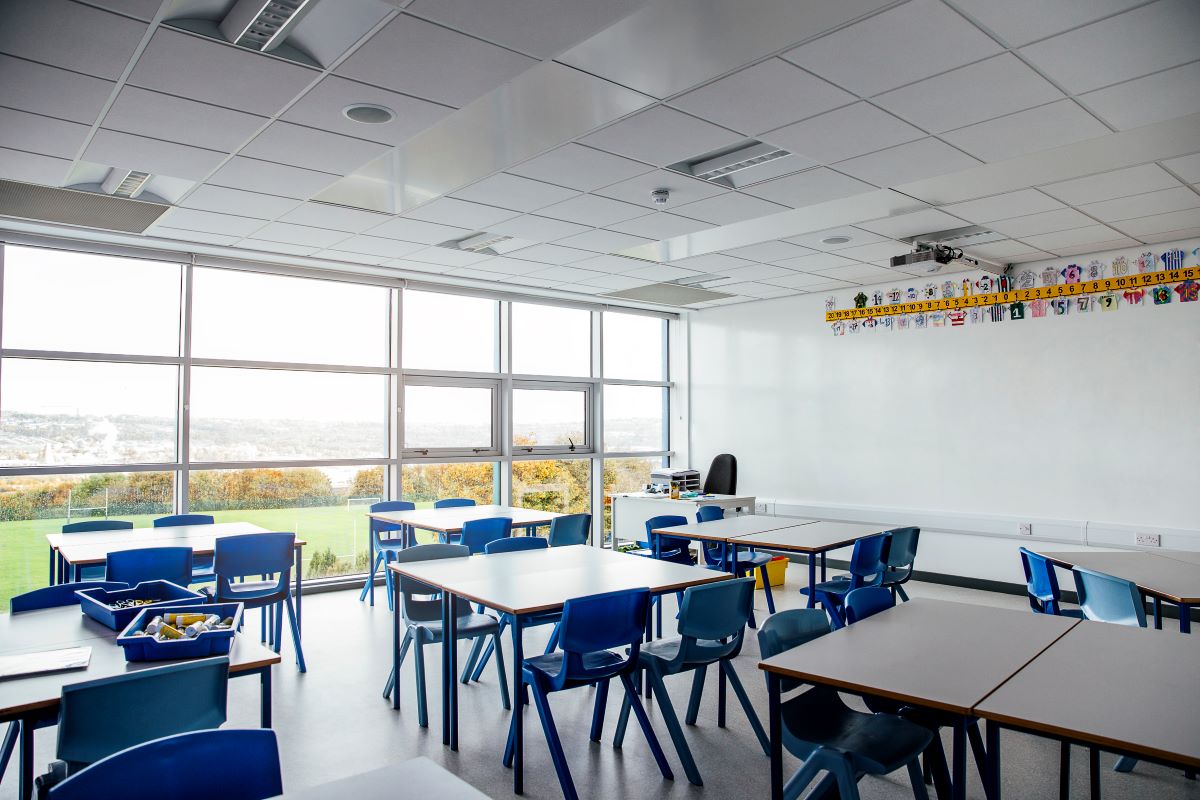
The second proposal, G144-25, focuses on educational facilities. Extensive research by Lisa Heschong shows that adequate natural lighting in educational settings improves student development. Introduced by Nicholas Resetar, an industry code consultant and shareholder at Roetzel & Andress representing GICC, along with Thom Zaremba of Roetzel & Andress (representing NGA) and Tom Culp of Birch Point Consulting (representing AEC), the proposal requires that in Group E occupancies, no less than 50% of all classrooms be provided with natural and artificial light, except in daycare facilities located within a different primary occupancy.
Industry reaction and next steps
The glass and glazing industry responded enthusiastically to these approvals, while acknowledging that work remains to defend these measures at the final hearings scheduled for next spring.
“A special thanks to Lisa Heschong for her pioneering research on daylighting and the ‘right to light,’ which provided the foundation for these proposals,” says NGA’s Urmilla Jokhu-Sowell, vice president of Advocacy and Technical Services. “While we’ll continue defending these measures in next spring’s final hearings, this milestone marks a huge step forward for the built environment—and for every organization committed to occupant health, wellness and better design.”
“By adding these provisions to the 2027 International Building Code, we have enabled everyone—whether they’re relaxing in their homes or teaching or learning in their schools—to enjoy outdoor views while receiving the many mental and physical health benefits that comes with the natural daylight that only glass can bring into our homes and schools,” says Zaremba. “The foundation for this successful mission lies in the non-stop commitment of the many members of the glass and glazing industry that have researched and developed the use of so many different types of glass in the construction of our buildings.”
“The glass industry has done a good job recognizing and promoting the proven value of natural light and views in educational, health care and residential buildings,” adds Resetar. “We have made it a specific mission to promote natural light and views because of the positive impact on society, and specifically in this case, the students and children who deserve to spend their school days in an environment that will have a positive impact on their health and ability to learn.”
“This is a great win for healthy buildings, schools and students,” says Culp. “We still have to defend these proposals in the final hearing next spring, but it is a great step forward for healthy, productive spaces.”
Why Windows Matter—The science behind daylighting requirements
For decades, medical, neuroscience and psychology experts have documented the critical importance of windows for daylight and outdoor views—yet the International Building Code has surprisingly allowed windowless rooms in residential and educational spaces. The mounting scientific evidence supporting natural light’s role in human health has sparked a movement to make daylighting a fundamental right. Here’s why windows are essential for occupant wellbeing.
Health and well-being
Daylight regulates circadian rhythms, improving sleep patterns and overall health. It aids in Vitamin D synthesis, crucial for immune function, bone health and preventing cardiovascular disease and certain cancers. Natural light exposure also reduces depression, anxiety and Seasonal Affective Disorder while enhancing mood and well-being.
Psychological benefits
Research shows that views of nature and daylight reduce stress and mental fatigue, dramatically increasing alertness and quality of life. Windows provide essential connection to the outside world, minimizing feelings of confinement and claustrophobia.
Cognitive and productivity gains
Natural light boosts cognitive function, improves concentration and decision-making, and enhances performance in work and study environments. Proper daylight exposure regulates sleep cycles, leading to better morning alertness and daytime productivity.
Economic and environmental impact
Well-lit environments with natural views show higher productivity levels and engagement. Natural daylighting reduces artificial lighting needs, creating significant energy savings and reducing carbon footprint on a national scale.
A human right
Lisa Heschong, renowned daylighting specialist and author, emphasizes “that access to natural light, outdoor or indoor, should be a human right.” She advocates for the World Health Organization to include daylight as a key component of human health alongside clean air, clean water, nutritious food and safe shelter.
Cities leading the way
Major U.S. cities such as Chicago, Washington D.C., Austin and New York City have already banned windowless rooms in their local codes. And dense urban cities like Madrid, Barcelona, Mumbai and Mexico City prohibit windowless rooms. Countries from China to Paraguay have nationwide codes requiring windows in habitable spaces.