
Protecting the Past
Protective glazing products offer added security to retrofit projects
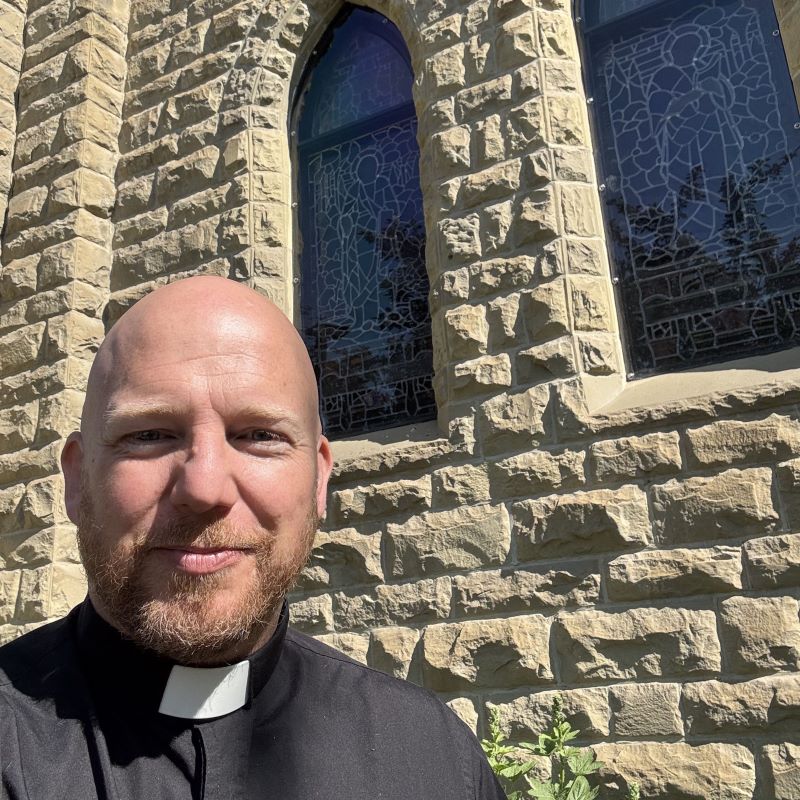
When crime and vandalism rates rose in downtown Calgary, Alberta, members of the Cathedral Church of the Redeemer worried for the safety of their building. After rocks were thrown at the historic structure’s stained-glass windows, church volunteers reached out to ProGuard, one of ClearSecure’s security panel dealers to find a solution that would protect the house of worship.
For years, the sandstone structure building had covered its fragile windows with fire protectant screens and older protective windows that affected the clarity of the biblical scenes presented. “It looked like an old, ramshackle type of security covering, and it wasn’t putting our best foot forward, to put it lightly,” said Chris Dowdeswell, dean of the Cathedral Church of the Redeemer.
ProGuard offered a different solution—glass security panels that would offer protection while also preserving the clarity of the biblical scenes showcased in the stained glass and ensuring daylighting.
The church’s volunteers worked closely with ProGuard Construction in Edmonton, Alberta. Over a period of 6 months, ProGuard consulted with the church and heritage organizations to ensure that the installation of the panel over the church’s stained glass would not take away from the integrity of the vintage glass’s design and aesthetics.
“I don’t know if we could have found a better solution to the problem,” said Dowdeswell, after the installation. “I didn’t expect to be able to see the underlying artwork so clearly.”
The evolution of security glass
When I worked in the traditional glass sector, anytime someone wanted something that wouldn't break, we would traditionally grab a sheet of Polycarbonate and make a replacement sealed unit. The trouble was, you couldn't offer any warranty because it would typically fail, and yellow in the sun within a few years.
For a glass industry veteran like myself who has seen just about everything, customizing security panels to go over existing sealed units to prevent vandalism has become a very rejuvenating experience, especially seeing it all come together to protect heritage buildings and churches across North America. Now, in a single application, the security panel can be cut on a computer numerical control machine to match any size or shape that is required to protect existing glass.
Safety glazing typically includes laminated and tempered glass. Protective glazing options can vary depending on the client’s needs̅—forced entry protection or ballistic rated, as examples. Advancement in security glass technology has allowed companies like ours to offer cost-effective options for mitigating vandalism.
More glass companies are realizing that products like security panels are a good thing because they can now offer another solution to their customers. And architects who are looking to specify a security glass product for their clients also benefit. They get glass that appears aesthetically pleasing, while remaining impact-resistant to disrupt the cycle of repairing or replacing broken glass.
And with the evolution of security glass, heritage buildings like The Cathedral Church of the Redeemer can benefit from proactive measures to help secure its facility as vandalism and crime rates increase.