
Circularity and Architectural Glass Recycling
Overcoming Challenges of Circularity and Architectural Glass Recycling
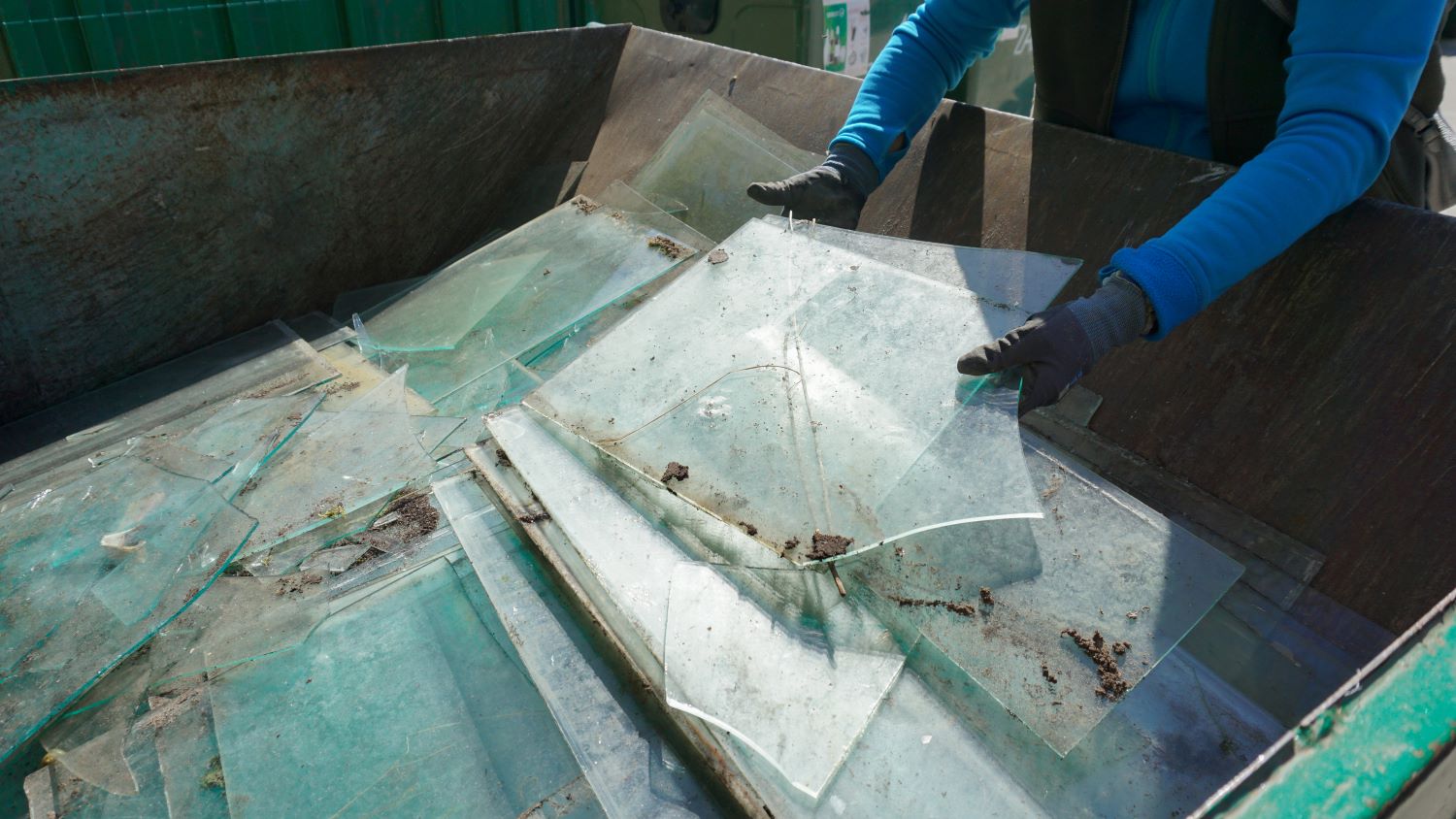
Excerpted from NGA Glass Technical Paper AD01-25 Overcoming Challenges of Circularity and Architectural Glass Recycling. For full details and references, download the complete document free.
Key drivers supporting the development of increased recycling in North America include:
- Economic and environmental value
- Creation of a circular economy and domestic raw material and supply
- Job growth
- Reduced waste to landfill
- Improvements in glass furnace operations
- Reduction in glass furnace emissions
Leveraging post-consumer materials is one of the simplest ways to decrease the embodied carbon of glass, keeping it a material of choice at the intersection of durability, cost-effectiveness and sustainability. Expanding circular practices in the field of architectural glass creates opportunities to not only strengthen local labor markets, but to enhance the glass industry’s reputation as an effective and sustainable solution.
Despite these drivers, rates of recycling of all types of glass in the United States remain much lower than in Europe and other places in the world. Single glazed windows are being replaced by more energy efficient ones, generating, in the process, volumes of architectural glass typically not recycled in the U.S.
Glass recyclability challenges
Factors contributing to low rates of glass cullet recycling include inexpensive landfill rates, remote proximity to glass processing facilities and high associated freight costs, quality challenges of glass cullet from primarily single-stream curbside collection, and lack of legislation requiring recycling. Contaminants in recycled glass—such as aluminum, nickel, ceramics and other metals—could compromise the float bath equipment and negatively impact the quality of new glass, leading to issues like downtime and increased equipment maintenance if extreme care is not taken. The expected carbon dioxide savings achieved from the use of recycled cullet can be wiped out with a single quality upset that would require additional production time to make similar volumes of material. No industry-wide standard exists for cullet grading and composition. As a result, particular care should be taken to work closely with the recycled cullet processor selected for supply.
Steps to improve recycling rates
Work with a local glass processor. Finding and communicating with a local, knowledgeable glass recycler helps ensure a successful recycling program. Glass fabricators should establish a working relationship with their nearest glass recycling company in order to lower freight costs and drive the highest value.
Recyclers typically accept glass from a broad spectrum of suppliers and industries beyond glass fabricators, such as automotive, solar, appliance and electronics. Therefore, knowledge from the glass fabricator and its recycling company on how to leverage value across many different end markets is needed.
Segregate scrap. Most architectural glass scrap can be recycled if attention is given to avoiding cross-contamination. Laminated glass is potentially a valuable part of the value stream of recycled glass when the interlayer is separated from the laminate. Prior to shipment, fabricators should work with their recycler to define the best way to segregate their scrap to ensure positive value and acceptability.
Ask how to improve recycled glass value. The economics and value creation from the reuse of cullet are dynamic. Consider this a local, domestic raw material of growing importance for multiple industries. Some basic process changes can dramatically increase the value of scrap cullet. Aluminum and nickel are particularly risky materials, so keeping waste streams clean and avoiding contamination can be worth the costs incurred to cleanly separate materials. Key methods could include the following:
- Separate glass from other waste streams, including glass broken as a result of heat-soak testing.
- Separate cullet storage from metal storage and processing.
- Avoid nickel-containing storage bins and racks.
- Implement robust training programs for all site employees and stakeholders (simple things like minor floor sweepings can contaminate entire batches of waste cullet).
- Look for efficient supply routes and freight methodology that reduce the transport of cullet from source to processor.
- Separate different types of cullet. Insulating glass units, laminates and painted glass may all have different routes to market; work with a local cullet processor.
- Understand contamination potential from storage locations and exposure.
Understanding the freight implication of and impact on your own fleet can also play a significant role in the feasibility of increased recycling. Empty return hauling and shared freight can often impact the economics significantly. Collapsible or returnable cullet bins, mobile cullet processing centers, and partner relationships can all impact the viability and value of the cullet supply.