The Science Behind Bird-Safe Glass: Why Testing Matters
By Vitro Architectural Glass
Photography: Noah Hilton
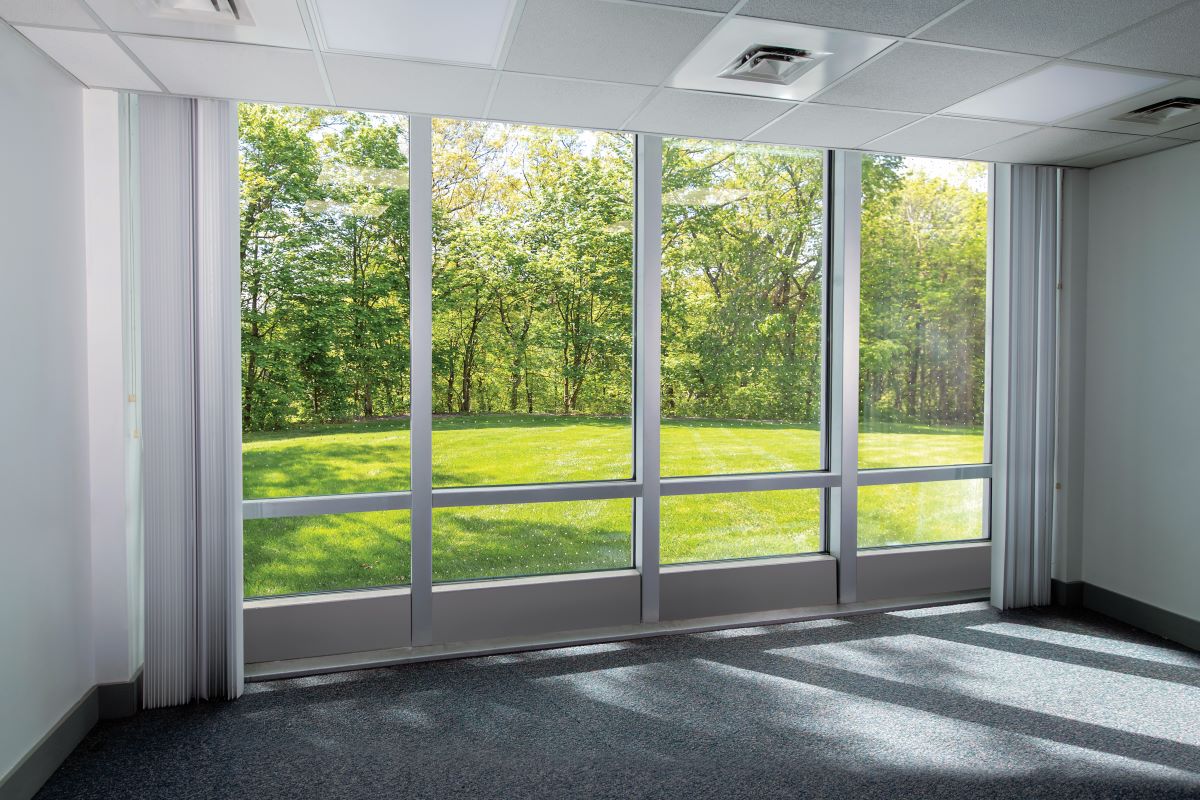
 Glass plays a vital role in modern architecture. It delivers daylight, expansive views, energy efficiency and improved occupant wellbeing. At the same time, conventional glass façades pose a serious and often overlooked environmental challenge: bird collisions. In North America alone, up to one billion birds are killed each year after flying into windows and glass façades. Fortunately, this is a solvable problem, provided glazing solutions are properly designed and rigorously tested.
As awareness of bird safety grows, architects, building owners and states, cities and municipalities are increasingly working to mitigate bird collisions. Yet unlike long established product categories, bird-safe glass lacks a fully standardized set of performance and durability benchmarks. That gap makes rigorous testing not just valuable, but essential.
Why Birds Don’t See Glass
It helps to understand birds themselves. Unlike humans, birds rely more on spatial vision than binocular depth perception. They constantly scan their surroundings for food, shelter and landing spots. As a result, transparent and reflective glass surfaces often appear invisible to them.
Reflections of sky or trees can look like open flight paths, while indoor greenery visible through glass can appear to be a safe destination. Compounding the issue, many bird species see ultraviolet (UV) light, wavelengths largely absorbed or reflected by typical glass, making smooth glass surfaces even harder for them to detect. This leads to increased bird collisions, often resulting in death.
The Role of Bird-Safe Glass Technologies
Applied patterns, such as dots, lines or etched textures, break up reflections and transparency, signaling to birds that a barrier exists. When properly spaced and positioned, these visual cues significantly reduce collisions without compromising visibility or aesthetics for people.
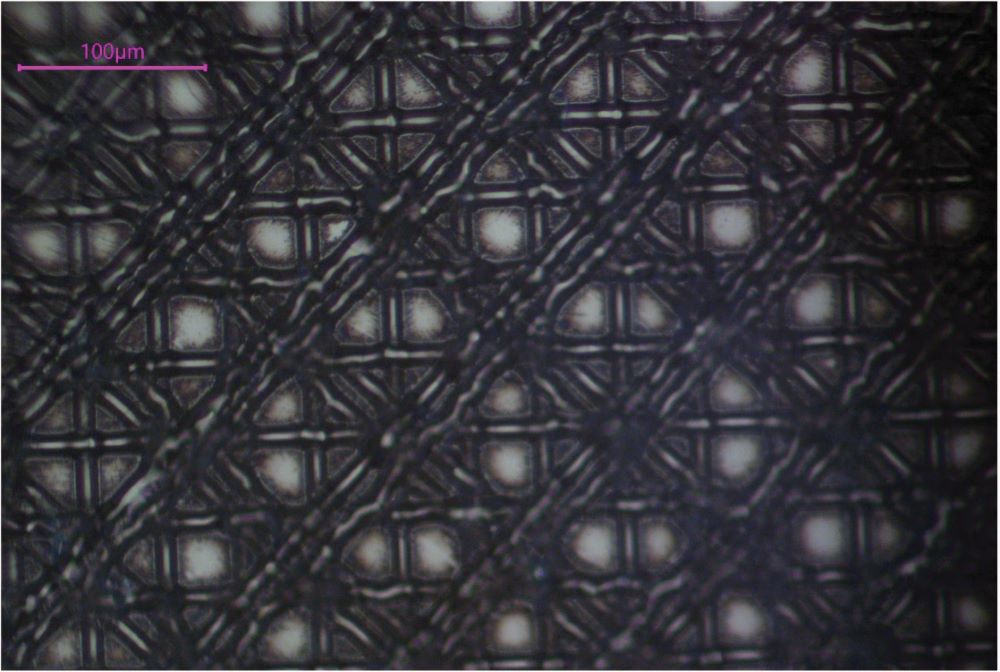
Laser etched‑ glass, such as BirdSmart® Bird Safe Glass by Vitro Architectural Glass, places dot patterns directly on the first surface of the glass. Because these markers are part of the glass itself rather than applied films or coatings, they offer lasting performance and compatibility with other high-performance features like Solarban® solar control low-e coatings by Vitro Glass on the second surface.
The Need for Rigorous Testing
As bird-safe glazing has evolved, one challenge has remained: how to evaluate performance beyond bird deterrence alone. A product may help reduce collisions, but does it still meet the durability, strength and appearance standards required for architectural glass?
Because this is a relatively new product category, there is no single, universally adopted testing framework governing quality, longevity or fabrication performance.
Recognizing this gap, Vitro developed a comprehensive white paper outlining internal testing protocols to ensure that adding bird-safe features does not diminish overall glass performance and preserves key performance metrics like visible light transmittance and solar heat gain.
Five Critical Areas of Glass Testing
Vitro tested across five key performance categories, each critical to long term architectural applications.
- Gloss testing evaluates surface appearance and consistency, ensuring etched patterns do not create unwanted glare or visual irregularities.
Laser Dot 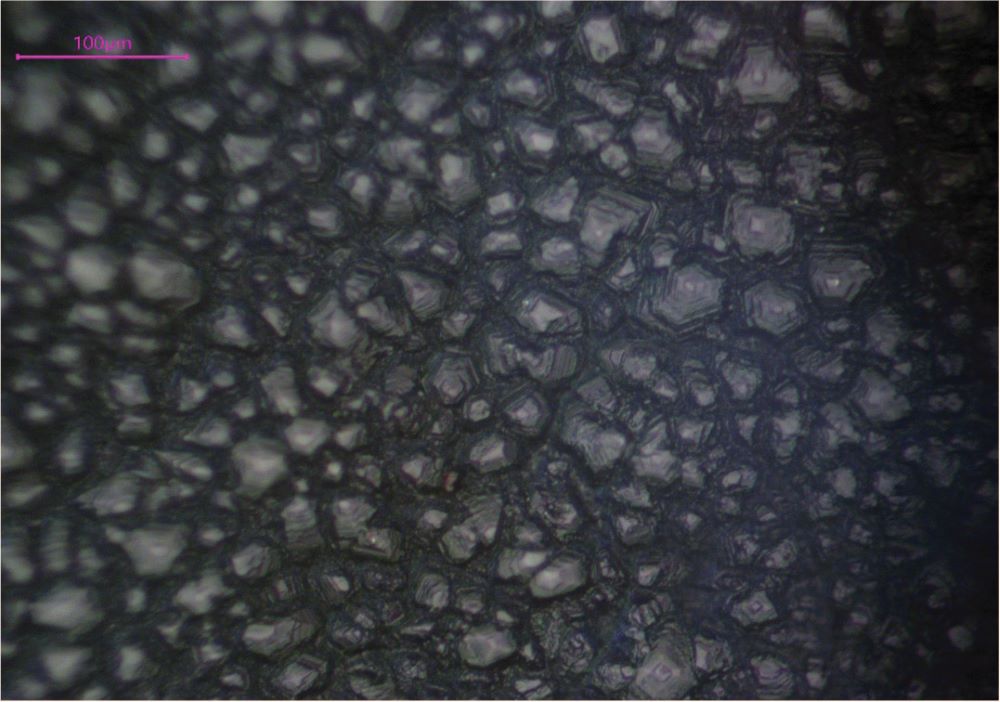
Acid Dot - Taber abrasion testing assesses resistance to wear and scratching, confirming that patterns remain effective and intact over time, even with regular cleaning.
- Strength testing verifies that markers, patterns or treatments do not compromise structural integrity or impact resistance.
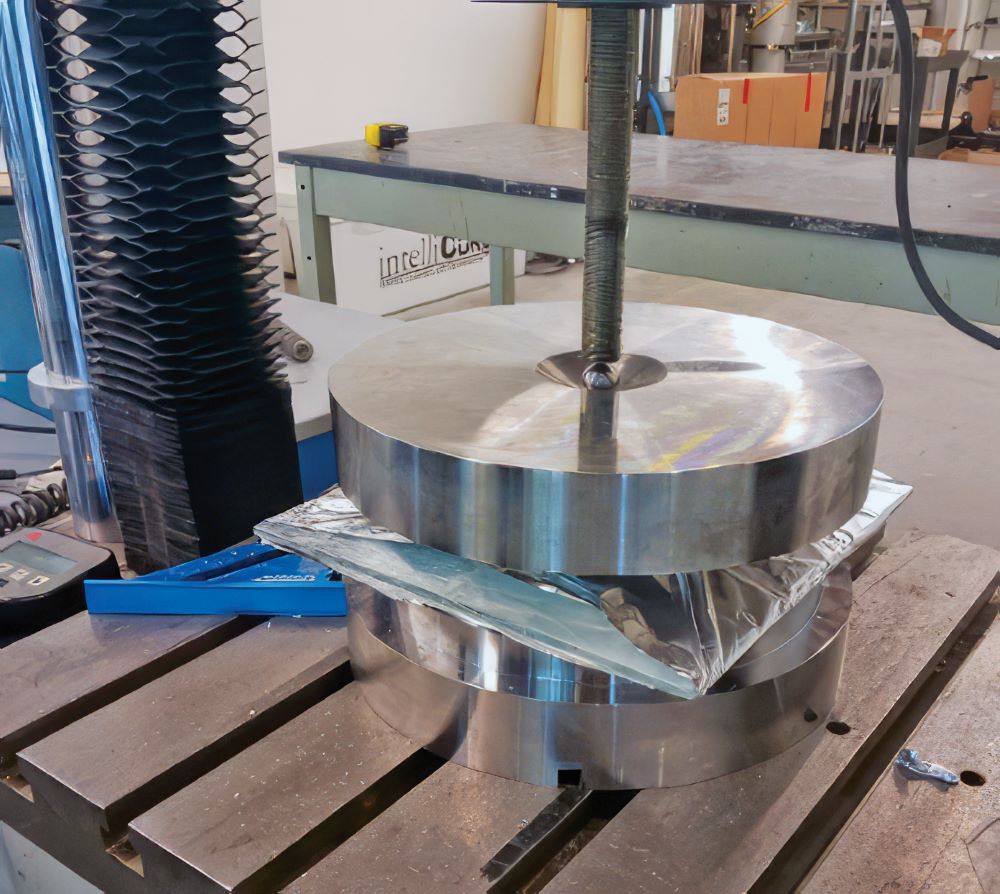
Strength Testing – Ring on ring ASTM C1499 - Stain testing measures susceptibility to visual degradation from environmental exposure, cleaning agents or contaminants.
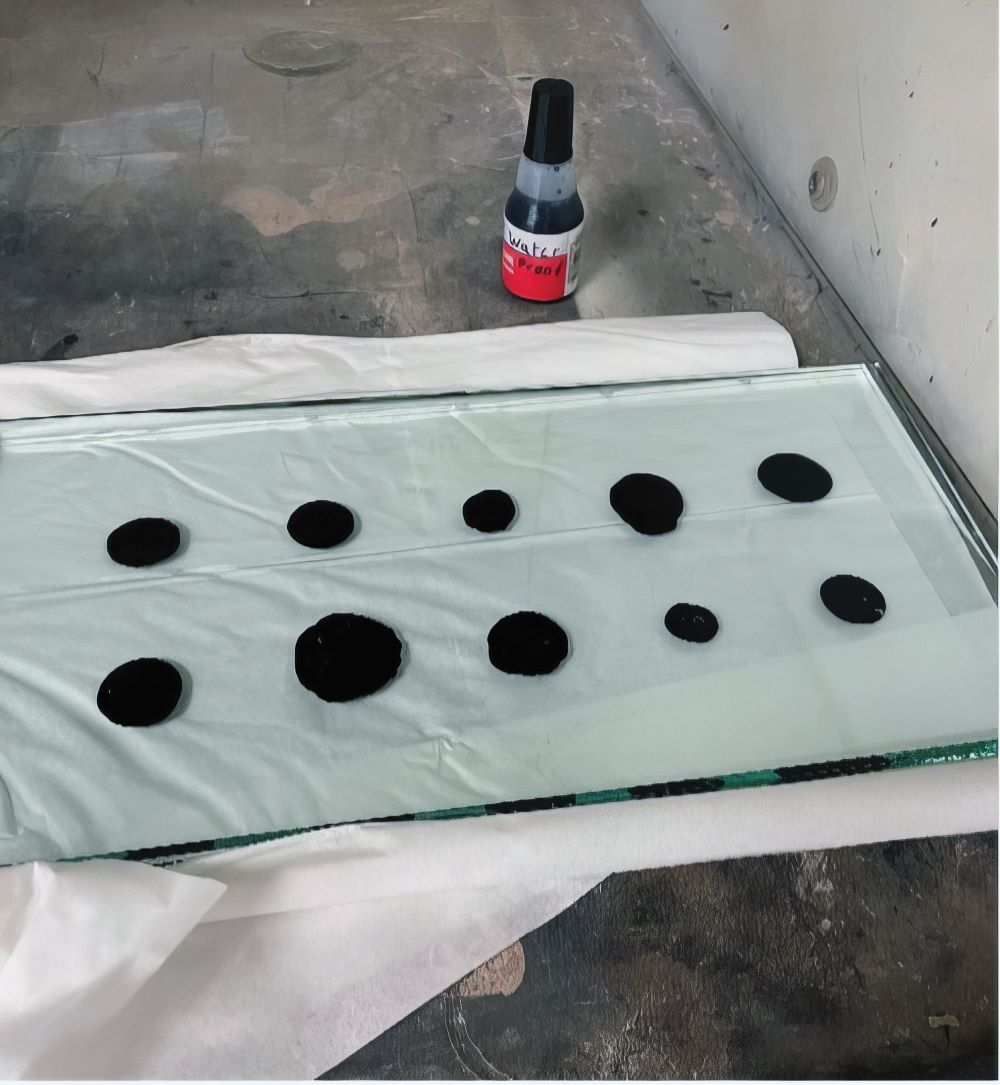
Before Stain Test 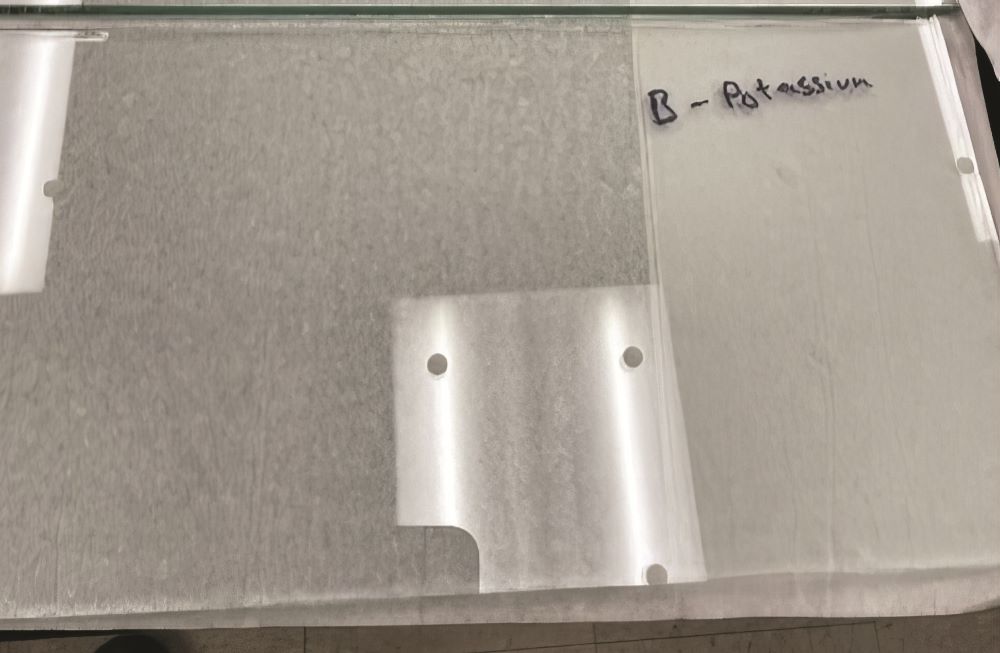
After Stain Test - Weathering testing simulates long-term exposure to sunlight, moisture and temperature fluctuations to confirm durability in real world conditions.
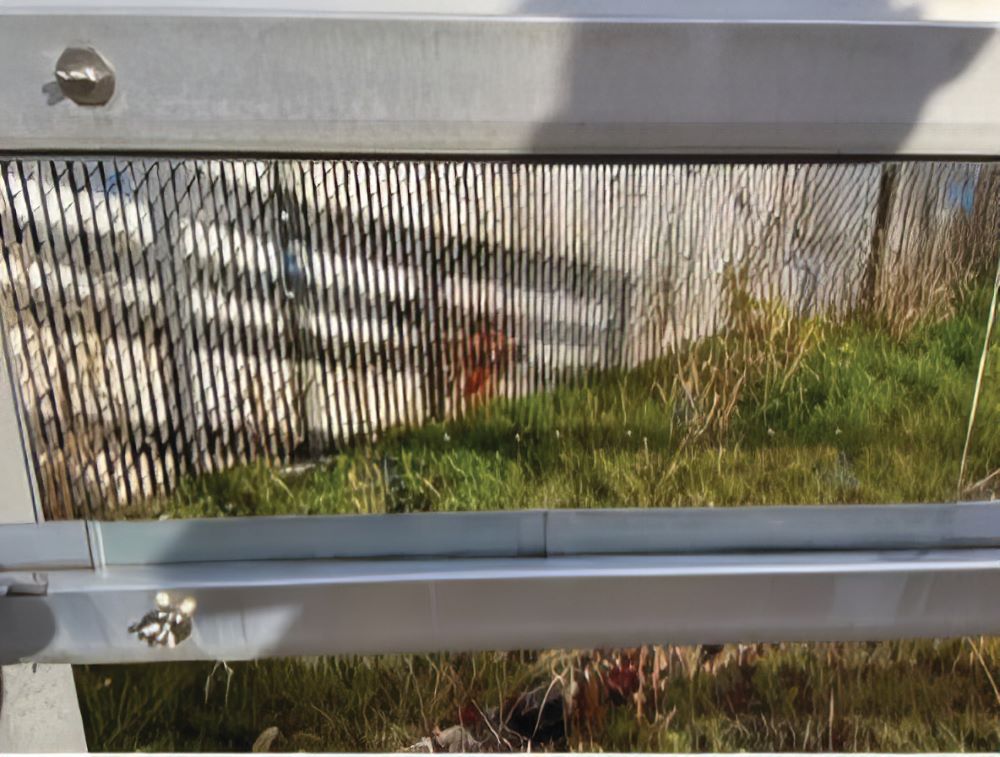
90° F Testing in Progress 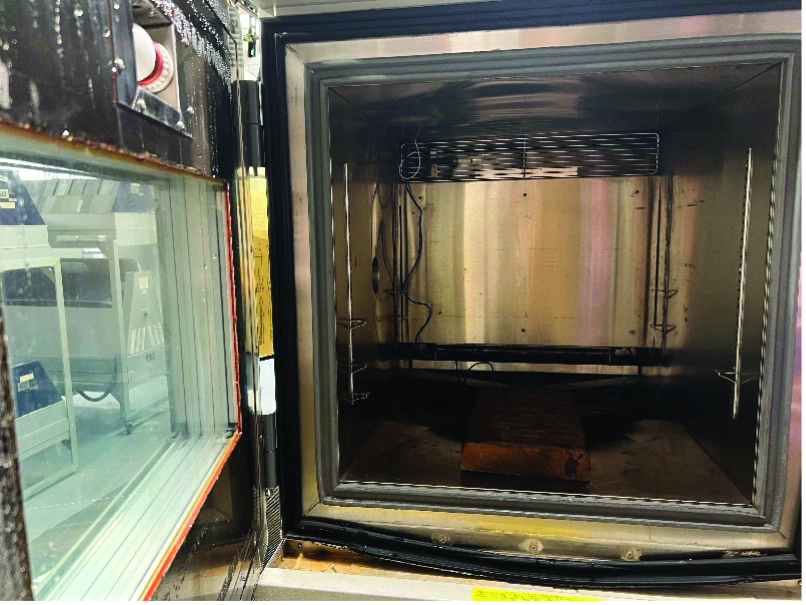
Cleveland Condensation Chamber
In some areas, established American Society for Testing and Materials (ASTM) standards already exist. In others, Vitro relied on its deep experience in glass development to define what it believes will become future industry benchmarks.
Sustainability, Safety and Design Flexibility
Many cities, states and provinces across North America have already enacted building requirements as part of broader environmental policies to protect avian species. As these codes expand, architects and developers need solutions that meet regulatory expectations without sacrificing design intent.
Setting the Standard for Bird-Safe Glazing
The goal of Vitro’s white paper was not only to validate BirdSmart® Bird Safe Glass, but to contribute to industry wide best practices. By openly sharing testing methodologies and performance criteria, Vitro aims to support better evaluation of these technologies across the market.
As bird mitigation strategies continue to gain momentum, rigorous testing will remain the foundation of credible solutions. When bird-safe glass is both environmentally responsible and performance proven, it becomes a standard part of modern, sustainable architecture.
Learn More
Learn more in Vitro’s white paper.