
Understanding Glass Reflectivity in Modern Buildings
By Vitro Architectural Glass
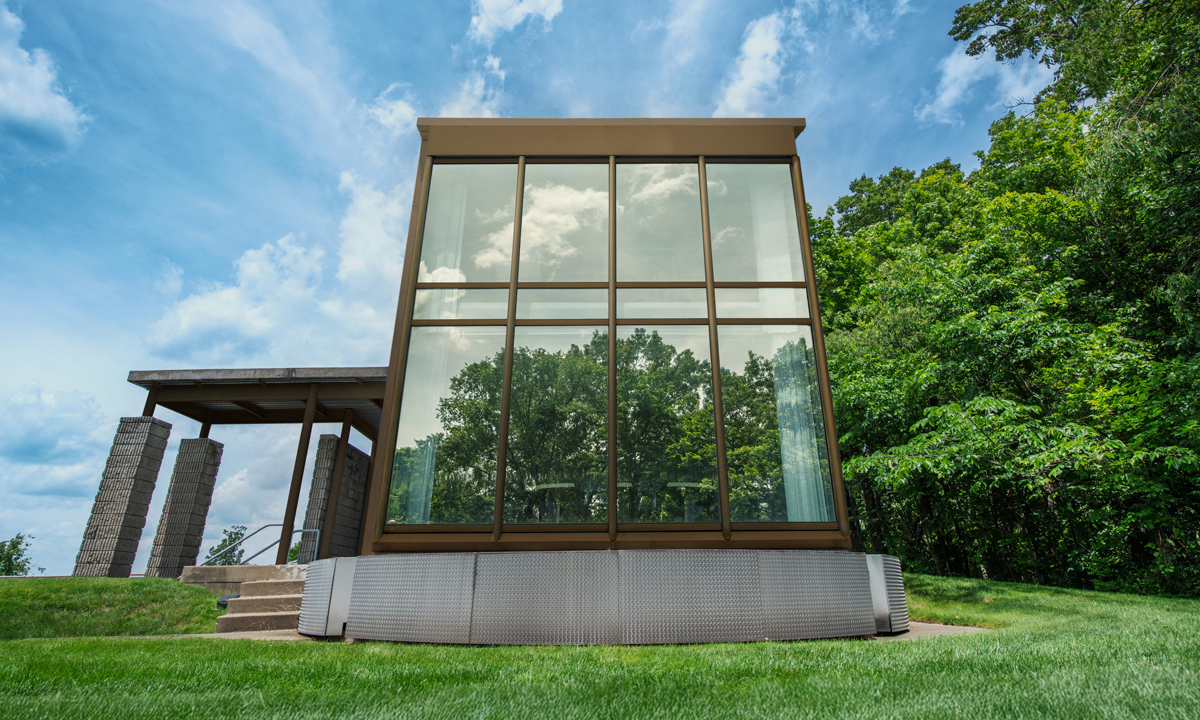
 When designing a building façade, architects and owners must determine the necessary level of glass transparency. Some projects, like retail spaces or academic labs, require high visibility. Others need lower transparency and higher reflectivity for privacy, to mirror the surroundings or to conceal mechanical systems.
Understanding glass reflectivity is essential for achieving desired aesthetics and performance goals. This guide explores the science behind reflectivity, its effect on energy efficiency and how to select the right glass for architectural projects.
The Science of Light and Energy Efficiency
To grasp how glass reflectivity works, you need to understand the solar energy spectrum first. Solar energy flows toward Earth in short-wave energy, primarily consisting of three types of light:
-
Ultraviolet (UV) Light: Accounts for 3% of the solar spectrum
-
Visible Light: Makes up 44% of the solar spectrum
-
Infrared Light: Represents 53% of the solar spectrum
Energy-efficient glazings, such as low-emissivity (low-e) glass, are engineered to block significant portions of UV and infrared light. At the same time, they allow a high percentage of visible light to pass through. This balance reduces the need for artificial lighting, increases occupant comfort and drastically lowers the building's overall energy consumption.
Exterior Reflectivity
Exterior glass reflectivity indicates the percentage of visible light that is reflected from the glass's outer surface, influencing how it interacts with natural and artificial light.
Reflectivity is classified into several categories:
-
Uncoated Glass: Approximately 15% reflectivity
-
Low-Reflective Glass: 0–19% reflectivity
-
Medium-Reflective Glass: 20–29% reflectivity
-
High-Reflective Glass: 30–100% reflectivity
In addition to providing privacy, glass reflectivity helps control glare and impacts key performance metrics like visible light transmittance (VLT) and solar heat gain coefficient (SHGC). As reflectivity increases, interior light levels decrease, and thermal performance improves due to reduced solar heat gain.
High-reflective glass is ideal for government or corporate settings requiring strict privacy. For applications where privacy is less critical, mid-reflective glass provides a balanced alternative.
Interior Reflectivity
Interior reflectivity measures the amount of visible light reflected off the interior surface of glass. To optimize views from within a building, low interior reflectivity is a key performance metric. This is particularly important for applications like offices and homes where clear views are desired, as it reduces interior reflections, improves exterior visibility and mitigates the "mirror" effect that can obscure views at night.
The Versatility of Mid-Reflective Glass
Mid-reflective glass strikes a delicate balance between allowing natural light to enter and maintaining a comfortable level of privacy. It provides adequate coverage to hide HVAC systems and seamlessly integrates with spandrel glass, metal panels and extrusions.
This mid-reflective glass category also helps control glare, which minimizes the need for interior and exterior shading systems. A mid-reflective solution like Solarban® R77 glass by Vitro Architectural Glass delivers exterior reflectivity of around 25%, while offering a vibrant, crisp aesthetic while mitigating solar heat gain.
Aligning with Modern Design Trends
Architectural trends consistently evolve and currently favor natural materials like timber, stone and limestone. This shift has created a high demand for reflective glass in warmer tones to complement biophilic designs.
Solarban Champane™ low-e glass by Vitro answers this need by offering a crisp, warm-toned low-e glass that harmonizes with natural façade materials. It is manufactured using advanced magnetron-sputtered vacuum deposition (MSVD) technology, the first of its kind in the industry. Unlike older tinted glasses that severely reduced light transmittance, this advanced low-e coating preserves daylighting. Interiors remain bright with natural light, while the exterior presents a sophisticated, warm reflection.
Evaluating Glass for Future Projects
Perception of glass reflectivity depends heavily on the surrounding lighting conditions. If you stand outside on a bright day looking into a dark building, you will see a reflected view. Conversely, looking out from a lit interior into the dark night yields an interior reflection. Because of this dynamic behavior, careful evaluation of glass samples is mandatory.
Below are some rules of thumb to ensure the product perfectly aligns with your vision:
-
Never evaluate a glass sample by laying it flat on a conference table.
-
To accurately gauge transmitted color, hold the glass against a solid white background.
-
To assess the reflected color accurately, hold it against a black background.
-
View the samples from multiple angles and at different times of the day under natural light.
By selecting the right reflective glass, architects and designers can create sustainable, visually striking structures that perform brilliantly for decades. Partner with trusted manufacturers to explore the precise glazing options that will bring your next architectural vision to life.