Always a Better Way to Build
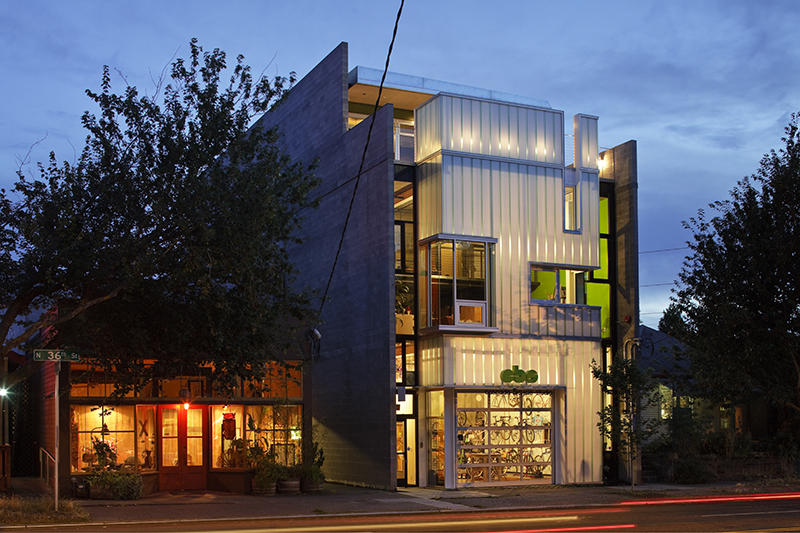
Photo courtesy of Technical Glass Products
Technical Glass Products (TGP) is not the only glazing manufacturer to reach a milestone in 2026. In May, Pilkington celebrated 200 years of glass innovation, including introducing the float glass process in 1959 and its “renew:glass” recycling project announced earlier this year.
Pilkington Profilit has played a crucial role in TGP’s ability to help designers and glaziers create more interesting bird-friendly facades. Bird-friendly design has become a category credit for LEED v5 certification, and it is also a key part of the National Glass Association’s (NGA) 2026 Advocacy Days.
Bird-friendly glazing is capturing headlines now, and before that it was security-rated glazing, and before that it was low-emissivity. It seems there is always a new benchmark for glazing to achieve. These constant challenges to create better glass make our industry exciting and dynamic, but they can be daunting for teams trying to navigate industry-wide changes.
Shifting targets require steady aim
New performance benchmarks for glazing are incredible, but design trends and codes can be slow to capitalize on this potential. This can lead design teams to ask why they might want to include a certain coating, material or design.
Further, construction seems in flux: the American Institute of Architects (AIA) reports the Architectural Billings Index (ABI) dropped slightly in April, while the Dodge Construction Network (DCN) states nonresidential starts have surged in that same time.
How do we navigate this information? What do architects need to know to make the best specification decisions? How do we help design teams meet their project goals now and in the future?
The answers, at least for us at TGP, always involve a commitment to steady improvement. Not every project will include every glass innovation, but most will feature some, whether that’s improved efficiency or any other value-driven feature. Staying on top of what’s at the cutting edge of glazing helps us guide project teams in realizing their most ambitious designs.
Don’t quote me on that: supporting teams through the quoting process
The goal when designing a building is to make a space that people want to be in. Making this a reality can vary between projects, but keeping the end-user in mind is essential, whether you are the architect, glazier, sales team or engineer.
For instance, when we review requests for quotations (RFQs), there are often several glazing options that can meet a project’s requirements and goals. Finding solutions that hit these baselines and provide a little more (like improved U-values or enhanced security) can help design teams improve their designs now or in the future.
The key here is to understand a project and how a glazing assembly will make a space more occupant-focused. It is also essential to realize that a project team may not be able or willing to deviate from what was provided, and this work of finding other solutions may spark an idea for a future building.
Bringing it home in the back half of the year
Usually at this time, I write a mid-year check in, taking stock of what has happened and course correcting for unexpected changes. This year, with its many personal and professional anniversaries, I want to take the long view. How are we supporting designers today, tomorrow and years from now?
I think one answer comes from TGP’s beginnings. At our headquarters, there’s a fireplace with fire-rated glazing, which was how we got into the glazing world. It may seem simple, but this fireplace, and the systems it later generated, demonstrate that there will always be a better way to build — even when these ways involve change.
For us in glazing, it is about adopting (and adapting to) these changes without losing track of what’s at the heart of our industry: buildings that work for occupants.