
Protective Glazing in Institutional Buildings
What glazing contractors should consider as more building segments harden the building envelope
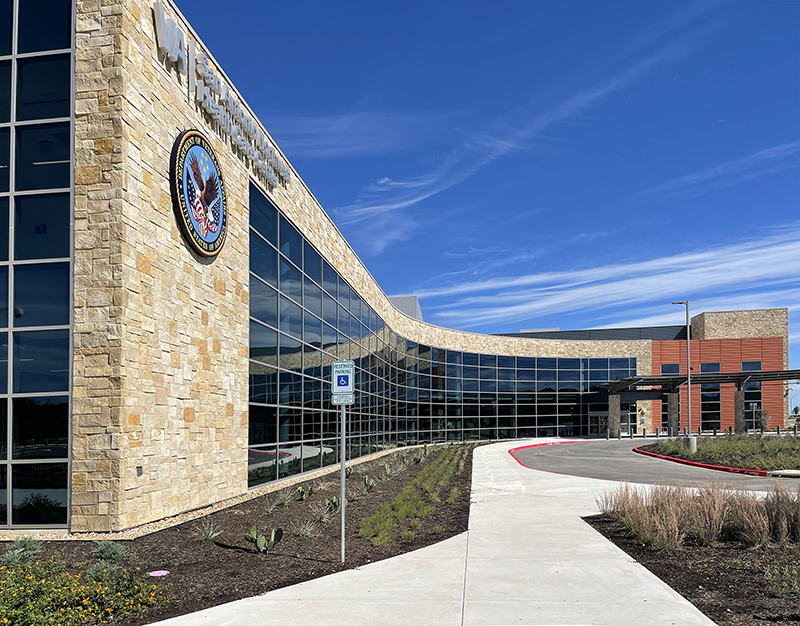
Protective glazing systems play a critical role in institutional buildings, such as hospitals, behavioral health facilities and schools. For glazing contractors and installers, these projects require more than standard window installation practices. Protective glazing is part of a tested, engineered system. Performance in the field depends directly on installation quality, coordination and attention to detail.
As code requirements become more stringent and institutional projects remain steady — often through renovations rather than new construction – installers are on the frontline of delivering envelope resilience.
Protective Glazing is a System
For institutional projects, protective glazing assemblies are designed to exceed minimum code requirements for wind, water and thermal performance. These systems are typically tested as complete assemblies, meaning performance depends on glass, framing, anchors, sealants and substrates working together.
Common protective glazing standards include:
- ASTM E1886, standard test method for impact by missile and exposed to cyclic pressure differentials
- TAS 201/202/203, Florida impact test protocols for high-velocity hurricane zones
- ASTM F1233, Standard Test Method for Security Glazing Materials and Systems
- ASTM F3561, Standard Test Method Forced-Entry-Resistance of Fenestration Systems After Simulated Active Shooter Attack
- AAMA 501.8, Standard Test Method for Determination of Resistance to Human Impact of Window Systems Intended for Use in Behavioral Health Applications
Daylighting with Protection
Daylight remains an essential component of institutional design. Protective glazing is designed to safeguard occupants and property, as well as providing daylight that supports well-being. Impact-resistant systems utilize laminated glass, reinforced framing and tested anchorage to maintain transparency, while protecting against windborne debris and shattering hazards.
Healthcare facilities are among the most mission-critical buildings in our communities. In healthcare building envelopes, protective glazing plays a critical role in life safety, operational continuity and occupant well-being. In hurricane-prone regions, impact-resistant glass assemblies help maintain envelope integrity by preventing glass shards, debris intrusion and structural compromise.
Behavioral health facilities continue to lead specialty health care construction. These environments rely on glazing to provide daylight and a sense of calm, while maintaining safety and durability. Robust glazing assemblies can withstand impacts and resist misuse without creating institutional aesthetics.
Security also remains a priority in schools, where protective glazing in windows and doors can delay forced entry and reduce risks associated with threats and hazards.
Installer Responsibility
Glazing contractors and installers play a critical role in the successful performance of protective glazing systems through:
- Adherence to approved details and tested system requirements
- Attention to glass makeup, anchorage and sealant installation
- Clear communication when field conditions differ from contract drawings
When protective glazing is installed correctly, institutional buildings are better equipped to protect occupants, safeguard assets and remain operational during extreme events.
Strategic Investment in Institutional Resilience
Protective glazing is no longer reserved for high-risk facilities. For institutional buildings of all types, it is a strategic investment that enhances safety, improves operational continuity and supports occupant well-being.
As environments grow more unpredictable and building expectations continue to rise, protective glazing remains one of the most impactful ways to strengthen the envelope and long-term resilience of institutional facilities.