
Your great project deserves a great case study
How to honor the people, process, and performance behind finished projects
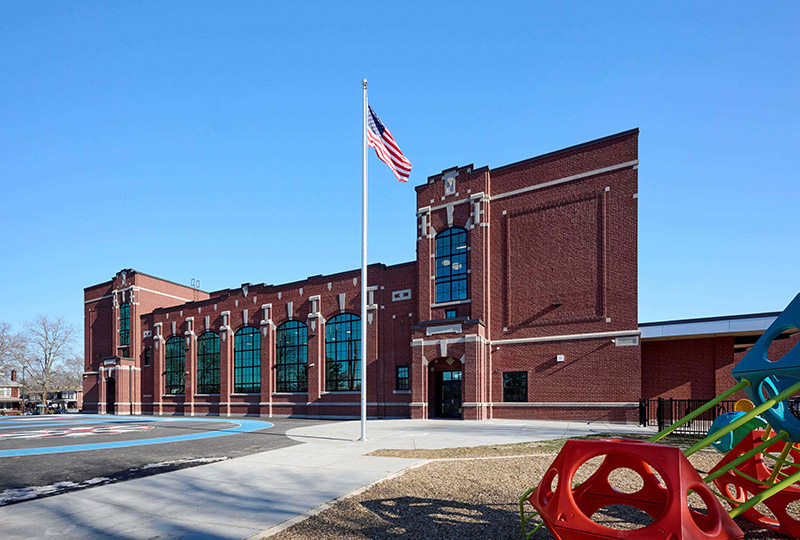
We spend months, sometimes years, bringing a project to life. There are design reviews, performance calculations, value engineering exercises, production schedules, logistics coordination, and finally, installation in the field. When it’s all said and done, the building stands tall, and then, we are already chasing the next deadline.
If we don’t stop to capture our work, we’re leaving value on the table, externally and internally. Investing in a full project case study — a documented narrative of the project’s strategy, execution and results — is more than just a marketing exercise; it’s a moment to recognize the win. For those outside the project team, a strong case study demonstrates credibility, showing others your solutions don’t just look good on paper; they perform in real-world conditions. Wind loads, energy codes, water infiltration, acoustics — a case study proves you can handle it all. But internally? A case study becomes something just as powerful: a tangible record of success employees can hang their hats on.
Engineers see their calculations realized in glass and framing. Project managers see coordination pay off. Production teams see what their effort helped create. There’s pride in pointing to a finished building and saying, “We did that.” Over time, these documented wins also become reference points. They help new team members understand past decisions, guide future projects and create a shared understanding of what success looks like when design intent and execution truly align.
Addressing your audience
Fenestration is inherently technical, and its complexity can sometimes hide how impressive the work really is. A well-written case study pulls the curtain back and turns details into a full narrative.
Instead of listing performance data in isolation, explain:
- Why the project demanded a certain solution
- How design challenges were overcome
- What trade-offs were made and why they mattered
This context helps external audiences understand your value and helps internal teams see how their role fits into the bigger picture.
Telling your success story
To create a case study that resonates, consider including:
- The challenge: Was it a tight construction schedule, a high-performance facade requirement or a complex retrofit? Challenges make the success meaningful.
- The solution: Highlight specific systems, custom details or engineering decisions. This is where your product knowledge and expertise come to life.
- The team effort: Our work doesn’t happen in a silo. Showing the collaboration reinforces your role as a trusted partner.
- The results: Performance metrics, schedule wins, or testimonials help validate the outcome.
- The visual help: Photos of the completed building or installation process remind everyone — inside and outside your company —what all the effort was for.
There’s something powerful about seeing completed work documented and celebrated. Case studies give teams a sense of closure and accomplishment in an industry that’s always moving forward. They reinforce purpose, boost morale and remind people their work leaves a lasting mark on the built environment. In the end, a great case study doesn’t just promote a product; it honors the people, process, and performance behind it. And that’s a story worth telling, every time.